
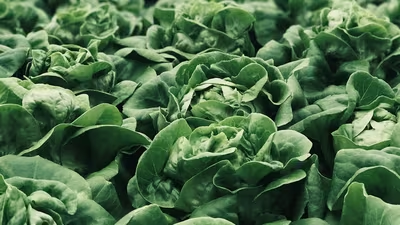
A rapidly spreading Cyclospora outbreak in the US has affected more than 4,000 people in Michigan alone, with health officials attributing many of the cases to shredded iceberg lettuce served at Taco Bell restaurants from a single supplier. The US Centers for Disease Control and Prevention (CDC) has also issued a food safety alert advising consumers in Indiana, Kentucky, Michigan, Ohio and West Virginia to avoid the implicated ingredient. As the outbreak of the foodborne parasite continues, knowing what to eat and drink while recovering from diarrhoea can help support hydration, ease symptoms and aid recovery.
Event Context
Also Read | Cyclospora outbreak: Gastroenterologist Dr Salhab shares number 1 tip to avoid explosive diarrhea-causing parasite
Dr Joseph Salhab, a Florida-based gastroenterologist and health content creator specialising in digestive, liver, pancreatic and nutritional health, is highlighting ways to tailor your diet to suit your stomachs needs, if you are affected by the recent Cyclospora outbreak. In an Instagram video shared on July 17, the gastroenterologist outlines the foods and drinks to prioritise, as well as those to avoid, while recovering from diarrhoea.
source
According to Dr Salhab, if you’re experiencing diarrhoea, prioritising hydration is essential, as the condition can lead to significant fluid loss. He recommends replenishing fluids with water, electrolyte powders or oral rehydration solution (ORS), and suggests other hydrating options such as herbal teas, decaffeinated beverages, soups and broths.
He notes, “If you have diarrhoea from a stomach bug, food poisoning, or the current Cyclospora outbreak, what you eat and drink can make a big difference. Focus on staying hydrated with water and an electrolyte powder or oral rehydration solution. Herbal tea, decaf drinks, soups, and broths can also help.”
Dr Salhab recommends opting for easy-to-digest, gut-friendly foods, particularly those rich in soluble fibre, such as oatmeal, bananas, applesauce and psyllium husk and lean protein, like eggs, tofu, fish, chickens and turkey. He also suggests incorporating low-lactose probiotic options, including Greek or skyr yoghurt, to help support gut health.
The gastroenterologist suggests, “Choose easy-to-digest foods like white rice, potatoes, sweet potatoes, plain pasta, white toast, sourdough, crackers, pretzels, plain bagels, oatmeal, chicken, turkey, eggs, fish, tofu, bananas, applesauce, peeled apples, canned peaches, canned pears, melon, papaya, and well-cooked carrots, pumpkin, squash, zucchini, green beans, and spinach. Greek or skyr yoghurt with probiotics may also be helpful if you tolerate dairy.”
Dr Salhab advises avoiding foods and drinks that may further irritate your stomach, including sugary and caffeinated beverages, alcohol, spicy and greasy foods, as well as foods high in insoluble fibre. He notes, “Try to avoid alcohol, caffeine, soda, high-fructose drinks, greasy or fried foods, spicy foods, sugar alcohols, and large amounts of insoluble fibre while you’re recovering. Also avoid prolonged fasting – small, frequent meals are usually easier on your gut.”
He outlines the following foods that you should avoid when your stomach is acting up and why:
If you have severe dehydration, bloody diarrhoea, high fever, severe abdominal pain, or symptoms lasting more than a few days, the gastroenterologist strongly recommends contacting your healthcare provider.
Note to readers: This article is for informational purposes only and not a substitute for professional medical advice. It is based on user-generated content from social media. HT.com has not independently verified the claims and does not endorse them.
Dr Joseph Salhab is a gastroenterologist providing services in central Florida. He received his medical degree from Lake Erie College of Osteopathic Medicine, Bradenton Campus, and has been in practice for over a decade. He has expertise in treating gastroenteritis and upper GI endoscopy, among other conditions
