
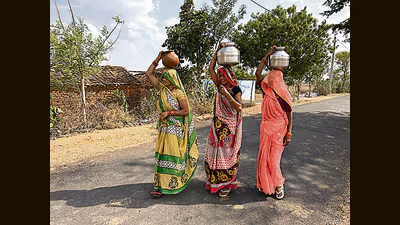
At 61, I realise these are not merely memories of another era; they are reminders of a way of life that quietly taught us contentment, self-reliance and the value of relationships. Certain sights, sounds and scents transport me instantly to my childhood village. The earthy aroma of water from an earthen pitcher, the rhythmic swish of a wooden madhani churning curd or the fragrance of freshly roasted popcorn can carry me back more than half a century.
Yet, somewhere along the journey, we seem to have lost something precious. Village mornings unfolded without alarm clocks or mobile phones. We woke to the crowing of roosters, the chirping of sparrows and the lowing of cattle. Nature set the rhythm for the day. Women walked together to the village well or baoli, balancing earthen pitchers on their heads. As children, we watched them leave in cheerful groups. The well was not just a source of water but also the village’s social hub, where neighbours exchanged notes and strengthened bonds. What I miss most, however, is the spirit of cooperation that defined village life. Whether harvesting crops, building a house or organising a wedding, neighbours worked together without ever expecting any payment. Winter nights concluded around the warm angithi, where grandparents imparted wisdom and folklore to children gathered in rapt attention. The villages I knew have changed. Hand-operated chakkis have made way for electric flour mills, gharats have fallen silent, and the charkha survives in museums. Modern appliances and technology have made life easier, and few would wish to return to the hardships of the past. Shared work has given way to hired services, evening conversations have been replaced by glowing screens, and convenience has often come at the cost of community.
