
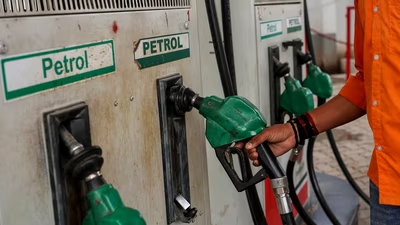
Petrol sold in seven Karnataka districts contained ethanol concentrations as high as 31.2%, with eleven of 14 samples exceeding the 20% blend specified under the E20 standard, according to the state government.
It added that the results showed substantial differences not only between companies but also among samples from the same company. It added that the laboratory findings establish the ethanol content of the samples tested. The government raised concerns about the impact of higher ethanol blends on vehicles designed to operate with lower concentrations. The government questioned whether fuel dispensing infrastructure was equipped to handle higher ethanol blends.
The government said the highest concentration was recorded in a sample collected from an Indian Oil Corporation Limited ( IOCL ) outlet, containing 31.2% ethanol. A sample of Hindustan Petroleum Corporation Limited ( HPCL )’s Power petrol had 30.5%, while another sample from the company recorded 27% and a BPCL Speed sample contained 26.5%, it added. It added that estimates suggest that 99% of India’s vehicles were not built to handle blends exceeding E20. The government said even vehicles sold after April 2023 are certified for ethanol blends of up to 20%. It said most dispensing units at petrol stations were designed for fuel containing up to 15% ethanol and argued that the necessary upgrades might not have been made.
The samples were collected from fuel stations in Bengaluru , Kolar, Chikkaballapura, Bengaluru Rural, Ramanagara, Mangaluru and Tumakuru, covering IOCL, HPCL, BPCL, Nayara Energy, Shell and Mangalore Refinery and Petrochemicals Limited, according to a state government statement. The statement said testing was conducted at the Shriram Research Institute in Bengaluru, measuring ethanol content using gas chromatography. The government said it first sent samples to the in-house laboratories of IOCL and BPCL. “The test reports issued by these laboratories did not disclose the ethanol content of the fuel, despite it being one of the prescribed testing parameters,” the statement said. The government said the omission in the oil companies’ reports raised questions about transparency in fuel marketing. They do not, by themselves, establish how widespread such concentrations are across the state’s fuel supply, the statement said.
