
Welcome to this week’s edition of HT Health Talk , a weekly series by Hindustan Times where we invite readers to share their most pressing health, nutrition, and lifestyle questions, and consult leading medical experts to deliver clear, science-based answers. This week, we explore the topic of superfoods: miracle or marketing gimmick? Also read | HT Health Talk: Dietician answers all your burning questions about the right food for weight loss
For most healthy adults, using turmeric as a food spice is considered safe and can be part of a balanced diet. There is no need to consume large quantities to obtain health benefits. Turmeric contains curcumin, which has antioxidant and anti-inflammatory properties, but the amount obtained from normal cooking is relatively modest. High-dose curcumin supplements differ from culinary turmeric and may cause stomach discomfort or interact with certain medications. People taking blood thinners, with gallbladder problems, or undergoing medical treatment should discuss concentrated supplements with their doctor. Amla and turmeric do not suddenly lose their nutritional value when cooked or blended, although some nutrients can change with heat and processing. Amla is particularly rich in vitamin C , which is sensitive to prolonged heating, so eating fresh amla can help preserve more vitamin C. Turmeric contains curcumin, which is relatively stable during normal cooking, and using it in food is perfectly reasonable. Blending either ingredient into a warm drink does not automatically make it ineffective. The overall diet matters more than whether these foods are consumed raw or cooked. A practical approach is to eat amla fresh when possible and use turmeric regularly in cooking.
Around ½ to 1 teaspoon of turmeric powder a day, roughly 1.5–3 grams, is a practical amount for regular dietary use.
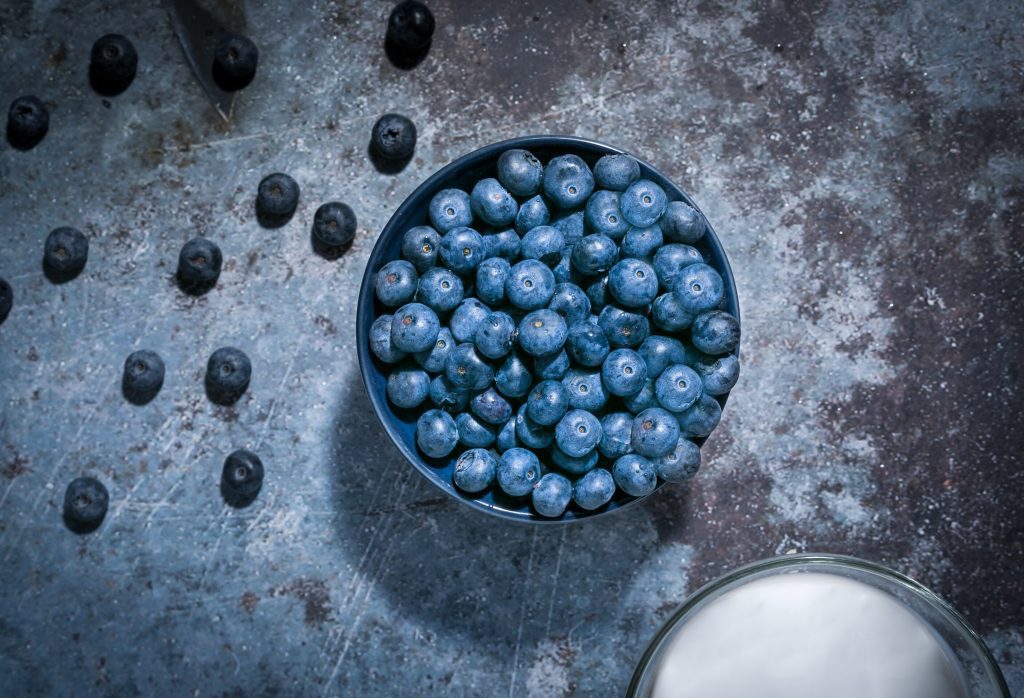
Berries are generally healthy foods and provide fibre, vitamins and beneficial plant compounds, so eating a moderate portion daily is usually safe for most people. However, some berries and fruit products can contribute to dietary oxalate intake, which may be relevant for people prone to calcium-oxalate kidney stones. The actual risk depends on the type and quantity of food, overall diet, fluid intake and an individual’s stone history. Eating whole berries in reasonable portions is very different from taking concentrated berry powders or large amounts of extracts. People with recurrent kidney stones should discuss their individual diet with a dietitian or doctor rather than avoiding all berries. Good hydration remains particularly important for stone prevention. A powder or capsule may contain a concentrated amount of one or several nutrients, but it does not necessarily reproduce the complete nutritional profile of the original food. Supplements can also vary in quality, dose and absorption. They may have a role when someone has a documented nutritional deficiency or cannot obtain sufficient amounts of a nutrient from food. However, taking a ‘superfood’ supplement does not compensate for a diet lacking vegetables, fruits, whole grains, pulses, nuts and seeds. India has many affordable foods that provide similar nutritional benefits without requiring imported superfoods. Amla, guava, jamun, papaya, pomegranate, oranges, tomatoes and seasonal berries can provide vitamin C, polyphenols and other protective plant compounds. Amla is particularly nutrient-dense and is an excellent source of vitamin C. Jamun provides anthocyanins and other polyphenols, while guava offers vitamin C and fibre. The best strategy is to focus on dietary variety rather than on one “superfood. Choosing seasonal, locally available produce is often both cheaper and nutritionally excellent. Freezing can surprisingly well preserve many vitamins and antioxidants, particularly when food is frozen soon after harvest. Some nutrients, such as vitamin C, may decline gradually during storage, but frozen fruits can still be highly nutritious. Drying removes water and concentrates nutrients, calories and natural sugars, while some heat-sensitive vitamins may be reduced. Choose products without excessive added sugar and control portions. Overall, fresh, frozen and appropriately dried foods can all contribute to a healthy diet.
For omega-3 fats, flaxseeds and chia seeds are affordable plant options, although their omega-3s are different from the EPA and DHA found in fish. Nutritionist reveals top 3 alternatives for Indians that aren’t expensive Freezing and drying do not automatically destroy the nutritional value of foods, although the effect varies depending on the nutrient and processing method. Because they provide a combination of fibre, vitamins, minerals, antioxidants and other naturally occurring compounds that may work together, in most cases, whole foods are the better first choice. Also read | Are you skipping blueberries due to high cost? Because they have a smaller volume, dried fruits also become much easier to overeat.
