
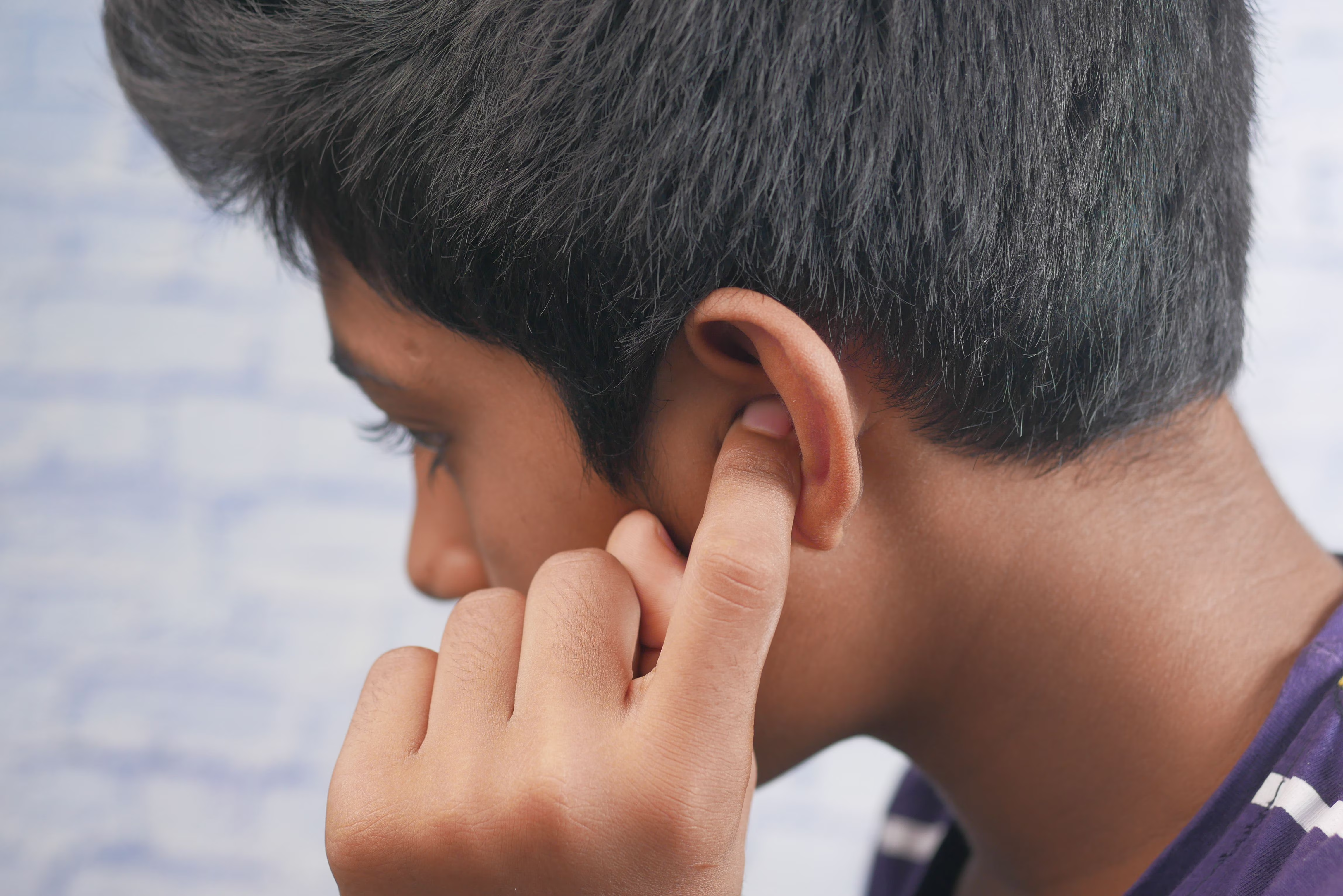
If you’ve ever driven up a winding mountain road, ridden a cable car or stepped off a flight, you know the feeling. Your ears suddenly feel full, the world sounds muffled, and then, with a small pop, everything snaps back to normal. It’s a common experience, and for most people it’s nothing to worry about.
Still, it’s a fair question: can travelling to high altitudes actually affect your hearing? Understanding why can help you travel more comfortably. As you climb, the air thins and the outside pressure drops. The air trapped in your middle ear is now at a higher pressure than the air outside, so it nudges your eardrum outward. If the Eustachian tube doesn’t open quickly enough to release that pressure, you get that familiar feeling of fullness. Coming back down works the other way around. Outside pressure rises, and the eardrum can be pulled inward. This is often the harder direction for the tube to correct. In these ordinary cases, your ear isn’t damaged. It’s simply waiting for the pressure to even out. Most travellers experience one or more of the following: ● A feeling of blockage or fullness in one or both ears. ● Muffled or reduced hearing for a short time. ● Crackling, popping or clicking when swallowing. ● Mild discomfort or a dull ache. ● Sometimes a soft ringing, known as tinnitus. These sensations usually fade within a few minutes to a few hours, once the pressure settles. Children often feel it more strongly. Their Eustachian tubes are shorter, narrower and more horizontal, which makes them slower to open. The Eustachian tube works best when it’s clear. If you have a cold, a blocked nose, sinus trouble or an allergy flare-up, the lining of the tube can swell and stop it from opening properly. Pressure can then stay trapped for much longer, and the discomfort can be sharper. The audiologist notes, “This is often called ear barotrauma, which simply means pressure-related irritation or injury to the ear. Mild cases clear up on their own. More severe ones can cause pain and a feeling of fluid behind the eardrum, and, rarely, a small tear in the eardrum. The typical signs are headache , dizziness, nausea and tiredness. “Sudden hearing loss at altitude is uncommon, but it should never be ignored. The same goes for severe dizziness, a spinning sensation or strong ear pain. These deserve proper medical attention rather than a wait-and-see approach,” she emphasises. A few small habits can make a real difference on a mountain trip: ● Swallow, yawn or chew gum during ascent and descent. These actions help open the Eustachian tube. ● Sip water regularly. Staying hydrated supports the lining of your nose and throat. ● Try a gentle Valsalva manoeuvre if you need to. Pinch your nose, close your mouth and breathe out very softly. When you’re asleep, you swallow less often. ● Help babies along. Feeding them or offering a pacifier during pressure changes can ease the discomfort. ● Think twice if you’re congested. If you have a cold or severe blockage, consider whether the trip can wait, or ask a doctor about safe ways to ease congestion beforehand. ● Take it slowly where you can. Climbing gradually gives your body, ears included, time to adjust.
At very high elevations, usually above about 2,500 metres, your body gets less oxygen, and some people develop acute mountain sickness. Because of this pressure difference, it vibrates less easily, which is why sounds can seem dull or distant for a while, dr Kumari explains, “When the eardrum can’t move freely. A small number of people also notice ringing in the ears or changes in balance, because the inner ear is sensitive to shifts in oxygen and blood flow, according to Dr Kumari. Because blowing too hard can hurt your ear. ● Stay awake on steep descents in a car or plane, be gentle,.
In a conversation with HT Lifestyle, Dr Punam Kumari, head audiologist at Centre for Hearing, says, “It can, usually in small and temporary ways.
Some people benefit from a little more caution. If you have existing hearing loss, a history of ear surgery, frequent ear infections , a perforated eardrum, or a condition such as Ménière’s disease, altitude may feel more unsettling. It’s sensible to talk to a doctor or an audiologist before a high-altitude trip, so you know what to expect and what to do if symptoms appear.
With over 12 years of clinical experience, she specialises in hearing diagnostics, hearing aid fitting and aural rehabilitation. “The ear is designed to adjust to pressure changes, and in most travellers the discomfort settles quickly with simple habits like swallowing, yawning and staying hydrated. What matters is how long the symptoms last. If muffled hearing, ringing, pain, or dizziness continues for more than a day or so after returning to lower ground, it is a good idea to have your ears checked rather than assume it will pass,” concludes Dr Kumari. Mountains can be wonderful for the mind and body, and brief changes in your hearing are usually just a sign that your ears are adjusting to a new environment. With a little understanding, a few small precautions and some attention to how you feel, you can enjoy the journey with far less discomfort. And if something doesn’t feel right, or doesn’t improve with time, getting it checked early is always the safest choice. Note to readers: This article is for informational purposes only and not a substitute for professional medical advice. Always seek the advice of your doctor with any questions about a medical condition. Dr Punam Kumari is Head Audiologist at Centre for Hearing, the flagship retail brand of Anand Hearing Care Pvt. Ltd.
