
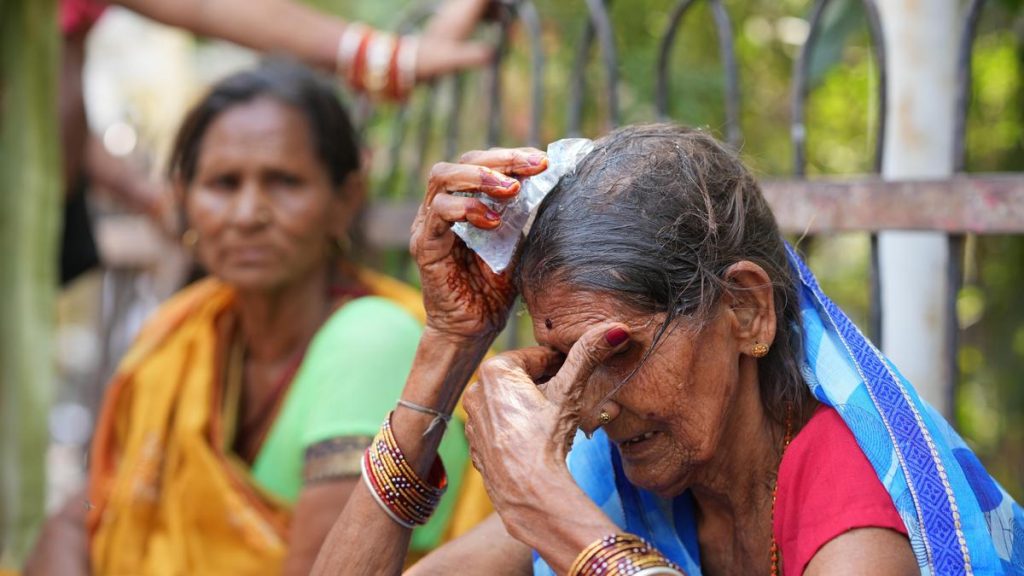
On August 4, the Ministry of Home Affairs told the Lok Sabha that heatwaves and lightning had been added to India’s list of notified natural calamities, taking the total list — including floods, cyclones, droughts, and landslides — to 14.
India’s exposure to extreme heat is growing. The number of hot days per year has increased. The incidence of very warm nights and relative humidity have also risen, reducing the human body’s ability to recover after hot days. The latest health impact surveillance data underlines the risk.
The author used 35 indicators across climate change, exposure, and vulnerability to estimate that more than 57% of Indian districts, home to roughly three-fourths of the Indian population, face high- to very-high heat risk. Rapid urbanisation adds an urban heat island effect, with one 2024 study in Nature Cities finding that India’s cities were warming twice as fast the rate of the rest of the country. Despite being a summer marked by relief from unseasonal rains, between March 1 and July 26, India recorded more than 4,800 heatstroke cases and 20 confirmed heatstroke deaths across 51,000 reporting units under the National Heat-Related Illness and Death Surveillance system. During the record 2024 heatwave, some 45,000 heat-related illnesses were recorded, although the figure was likely an undercount.
Next steps
The Health Ministry’s current surveillance system covers over 51,000 reporting units and recorded 4,853 heatstroke cases and 20 confirmed heatstroke deaths between March 1 and July 26. Second, plans must become fundable projects. States need model mitigation proposals suited to local climate and geography: what works in dry inland Delhi may not work in humid Kolkata. Many local bodies lack the technical capacity to prepare such proposals. Research institutions, NGOs, and philanthropy could provide technical support and risk capital to help convert plans into appraisable projects. Third, health surveillance must improve. Relief payouts will now depend on accurate loss-and-damage data. But it misses the wider burden from heart, lung, and kidney conditions worsened by heat. States need to report accurately and will need health capacity enhancement to that end.
