
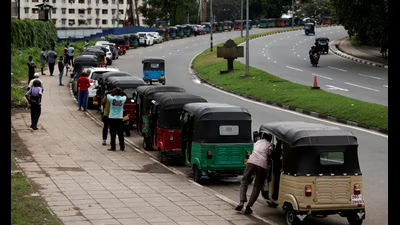
The Central Institute of Road Transport (CIRT), Pune, is developing a hydrogen fuel-cell electric vehicle (FCEV) prototype by converting a cargo three-wheeler, with a road demonstration targeted for 2027. The initiative is part of the institute’s efforts to expand research in sustainable mobility and support India’s net-zero emissions target by 2070.
CIRT director Devendra Singh said the institute was expanding its research beyond its established mandate of vehicle certification under Rule 126 of the Central Motor Vehicles Rules (CMVR). The project will be undertaken through a consortium involving a startup and research organisations. CIRT will provide expertise in vehicle safety and homologation, while the Council of Scientific and Industrial Research–National Chemical Laboratory (CSIR-NCL) will contribute to fuel-cell development, particularly catalyst-related work. CSIR-CECRI (Central Electro Chemical Research Institute) is expected to assist with fuel-cell packaging. “We have proposed a project in the hydrogen economy through a consortium, under which we are attempting to convert a cargo three-wheeler into a hydrogen fuel-cell electric vehicle. Hydrogen is considered a futuristic fuel. Our plan is to develop a vehicle that produces no tailpipe emissions during fuel-cell operation and can contribute to cleaner mobility. The aim is to move beyond laboratory research and demonstrate the practical application of hydrogen technology in commercial transportation.
The objective is to develop a working prototype and demonstrate it on the road,” he said. Singh said the collaboration would bring together expertise in fuel-cell technology, vehicle development and safety standards.
Hydrogen fuel-cell vehicles generate electricity through an electrochemical process to power an electric motor, with water being the principal by-product during operation. However, their overall environmental benefits depend on how the hydrogen is produced. Apart from alternative fuels, CIRT is also exploring vehicle-to-everything (V2X) communication technology to improve road safety. The institute has finalised an initial programme focusing on vehicle-to-vehicle (V2V) communication, which enables vehicles to exchange information about surrounding traffic and potential hazards. The proposed system will involve an on-board unit (OBU) installed in vehicles and roadside communication infrastructure. the institute hopes to develop communication-based safety applications Although the V2V programme is at a nascent stage. “Technology is the mantra for the future. The two initiatives reflect CIRT’s expanding focus on cleaner transportation and intelligent mobility solutions.
Singh said the ministry of telecommunications had allocated 30 MHz of bandwidth for the technology, of which 20 MHz had been delicensed, allowing original equipment manufacturers to use the spectrum without licence fees.
Whether it is alternative fuels such as hydrogen or communication systems for road safety, we need to invest in research and demonstrate their application in real-world conditions,” Singh said.
