
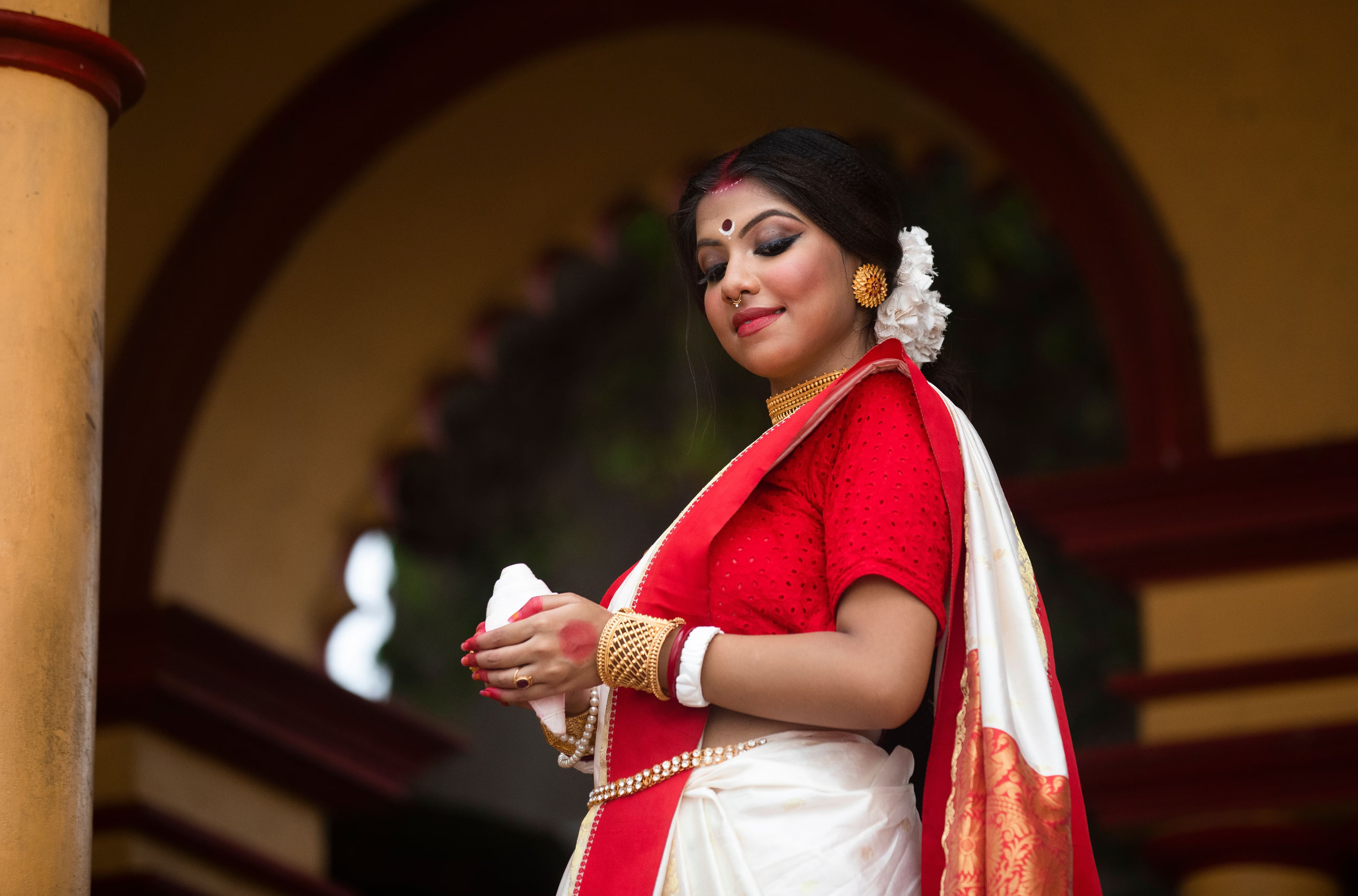
The sight of Bengali women dressed in white sarees with striking red borders is one of the most recognisable images of Sindoor Khela during Durga Puja. But the white-and-red combination is more than a festive fashion choice. Rooted in Bengali customs and cultural symbolism, it carries associations that have been passed down through generations. Saru Subba, historian and founder of Carol School Guwahati, shared the cultural significance behind the choice.
Sindoor Khela takes place on Vijaya Dashami, the final day of Durga Puja, when married Hindu women traditionally apply vermilion to the goddess Durga and to one another. The ritual is associated with prayers for marital wellbeing, prosperity and the continued happiness of families. Clothing practices have evolved with changing textile markets, regional customs, social identities and individual preferences.
Because of its cultural resonance, today, women may participate in the ritual wearing sarees in different colours and styles, while the white saree with a red border continues to hold a special place.
Saru also emphasised that it would be historically inaccurate to suggest that all Bengali women have always worn this saree during Sindoor Khela, or that the tradition has remained unchanged.
