
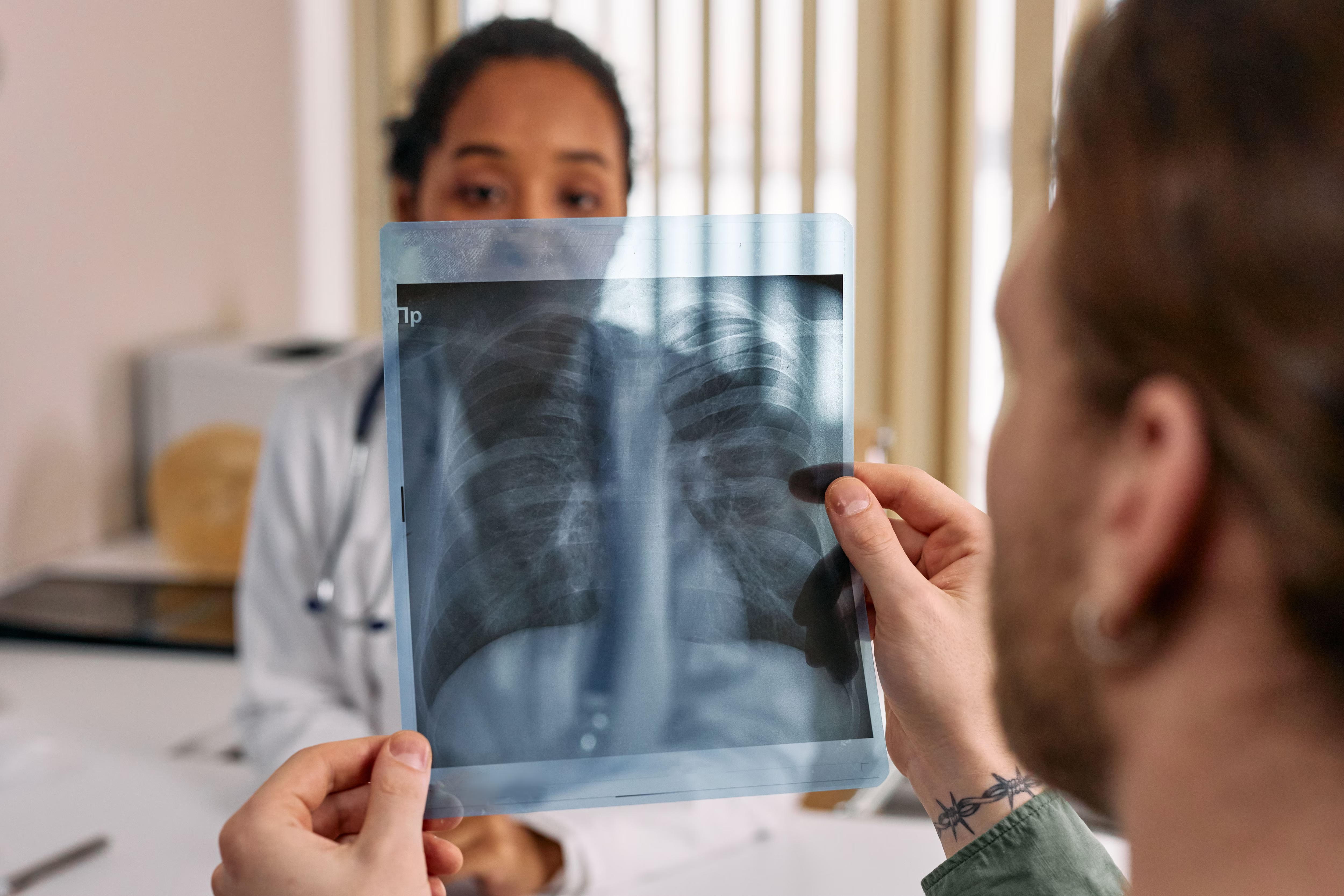
We often think once the smoke disappears in the air, it has left our body too. However, the opposite happens: what you see vanishing in seconds, your lungs remember for months. In an interview with HT Lifestyle, Dr Suresh S, senior consultant pulmonologist at Gleneagles, Chennai, explained what happens after you quit smoking .
Fine particles and tar settle deep on the alveoli, airways swell, mucus increases, and the tiny cilia which act like a cleaning brush for the lungs, become paralysed. The good news is lungs do heal if you give them time. If you are trying to quit, do not fight nicotine with willpower alone. Nicotine rewires your reward pathway.
When you inhale from a cigarette, you are inhaling more than 7000 chemicals, at least 70 of which are known carcinogens, according to Dr Suresh. Within 10 seconds, nicotine reaches your brain, but inside the lungs, the damage starts immediately. This is why even a young person in his 20s who smokes just 2 to 3 cigarettes a day goes to the doctor with morning cough and throat irritation. Within 20 minutes of the last cigarette, heart rate drops. Within 72 hours, breathing eases as airways relax. Within 1 to 9 months, ciliary cleaning restores. Within 1 year, excess risk of heart attack reduces by half. Within 5 to 10 years, risk of stroke and lung cancer drops by almost 50 percent compared to someone who continues.
“What has worked best for my patients is a structured plan – set a quit date and inform your family, map your triggers like morning tea, work breaks, or alcohol, replace the hand-to-mouth habit with water or a short walk, and practice 4-7-8 breathing when craving hits, which usually peaks for only 3 to 5 minutes,” suggested Dr Suresh.
