
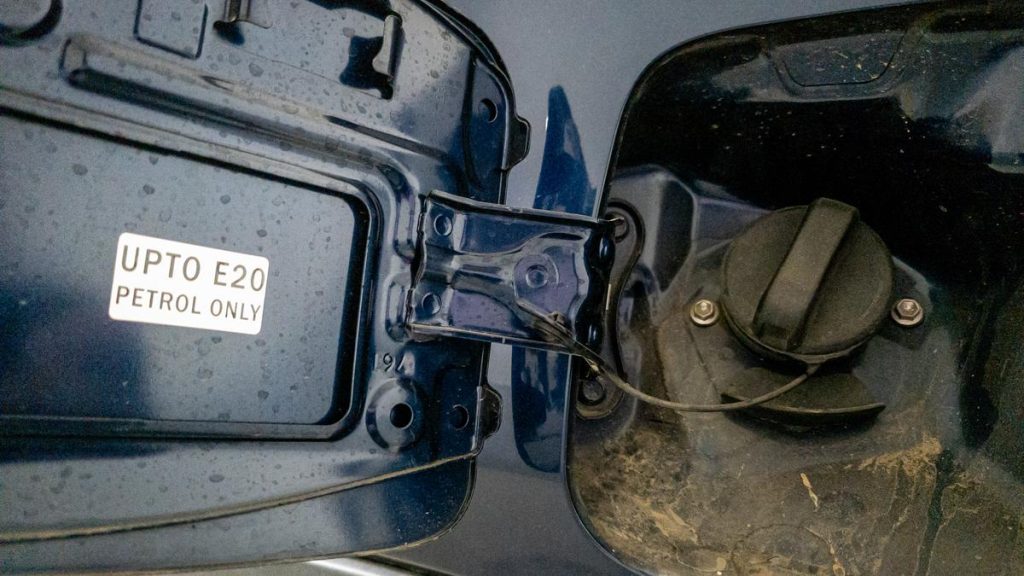
The story so far: The Ministry of Road Transport and Highways has amended the Central Motor Vehicles Rules, 1989 , to permit the use of ethanol-based fuels containing up to 100% ethanol (E100) in vehicles. The move paves the way for flex-fuel vehicles, which can run on petrol, ethanol blends of varying proportions, or pure ethanol.
How will the amendments support the rollout of E100 vehicles?
Ethanol has a lower energy density than petrol; while the government estimates a 5% decline in mileage, some consumers say the loss is greater. The amendments are expected to facilitate homologation, the official certification process through which authorised agencies, such as the Automotive Research Association of India, verify that vehicles and components comply with technical, safety and environmental standards before they can be approved for sale or use on public roads. Consumers also question E20’s effect on fuel economy. Dealers, meanwhile, warn that ethanol’s affinity for water could raise contamination risks during the monsoon, strengthening the case for separate storage and dispensing systems for higher blends. These concerns have prompted calls for a transparent assessment. “The future is electric. Other technologies are interim solutions. Electrification is cleaner, avoids the lifecycle emissions associated with ethanol production, and offers public-health and climate benefits. As the grid decarbonises, electrification is the only viable long-term option.
It is also where global innovation is concentrated,” says Amit Bhatt, managing director, International Council on Clean Transportation (ICCT).
