
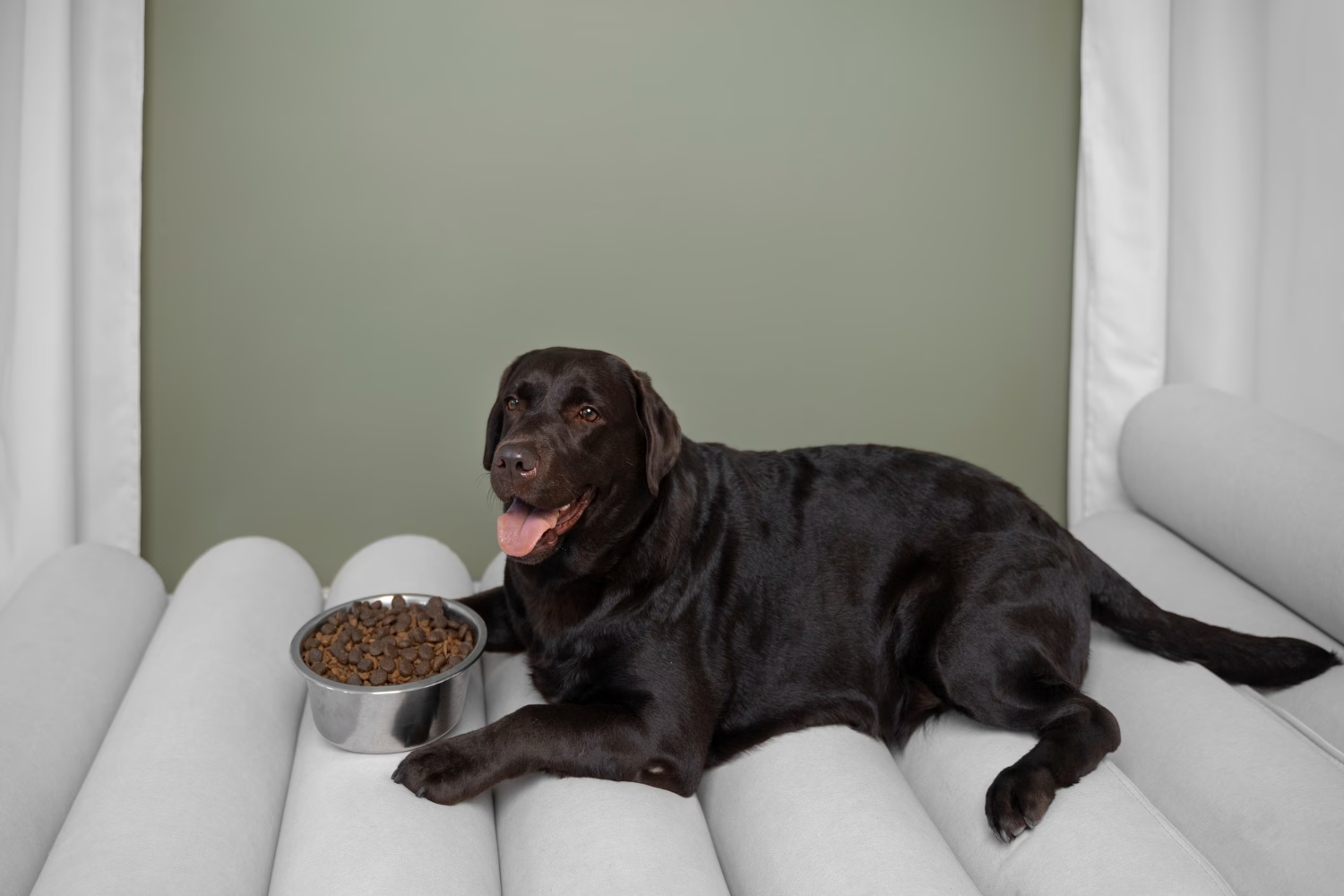
Being overweight or obese can lead to many health issues, and the same is true for pets. You might find it endearing when your pet gains weight and looks chubby and fluffy, perfect for cuddles. But excess weight may put additional strain on their joints and increase the risk of health problems that are not immediately visible.
Pet obesity is easy to overlook, especially when the gradual weight gain is mistaken for harmless cute chubiness. Dr Maneesh Kumar Gupta, MD and founder of VETLAB, highlighted the scale of the concern. His observation points to a gap in understanding how widespread pet obesity is in India. Limited data does not mean it is absent. It has just not been studied as much. When you see your pet every day, it may be tough to spot changes, especially as weight gain is so gradual. Moreover, some breeds are naturally chubbier and fluffier, which may make it hard to spot the weight gain. A dog that has put on fifteen per cent of its body weight across two years still looks like the same dog to the household that feeds it daily. He highlighted that the number on the weighing scale does not tell the whole story.
“Global veterinary data compiled by the World Pet Obesity Association places 40 to 60 per cent of dogs and cats in the overweight or obese range across clinics in North America, Europe, Asia and Australia.
India barely features in that evidence; the problem exists but has rarely been measured,” he said. Dr Gupta said, “Part of the difficulty is that weight gain in pets is gradual, and the comparison point keeps moving. “Body condition scoring, which assesses fat cover by feel rather than by the number on a weighing scale, exists precisely because weight alone is an unreliable measure.”
Dr Gupta cautioned that excess weight can affect several aspects of their health, with changes occurring before anything unusual becomes noticeable. This means changes in blood sugar, joint load, and organ function may remain undetected until clinical tests are done. The expert also identified insulin resistance and diabetes, especially in cats, as concerns, alongside osteoarthritis and breathing difficulties. He added, “Early kidney disease, hypothyroidism, elevated liver enzymes, tick-borne infections and endocrine disorders progress for months while the animal continues to eat, greet and climb stairs normally. Dogs and cats conceal discomfort instinctively. This is why check-ups are important, as bloodwork and imaging can provide a clearer picture of a pet’s health. Dr Gupta urged pet parents to prioritise preventive care beyond vaccinations and deworming, highlighting the importance of regular veterinary visits. Note to readers: This article is for informational purposes only and not a substitute for professional medical advice. Always seek the advice of your doctor with any questions about a medical condition.
