
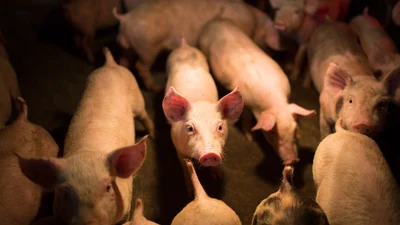
Te Ara, there were no land mammals in New Zealand other than bats before the arrival of introduced species, according to Carl Walrond’s hunting article in New Zealand’s Encyclopedia. Until 1769, pigs were absent from New Zealand. The French explorer Jean François Marie de Surville brought pigs to the country.
The animals also returned to the same areas repeatedly, digging up older disturbed areas about seven times more often than newly disturbed areas. That does not mean pigs have no ecological effects. At the site studied, pigs disturbed forest soil and preyed on native animals, while their effects on seedling regeneration and soil life were limited, leaving their wider ecological impact for further study.
In a 2015 study published in the New Zealand Journal of Ecology, researchers led by John Parkes spent 25 months studying soil, seedlings and the stomach contents of 14 pigs killed by hunters in Waitutu Forest in South Fiordland. Pigs overturned 7.4% to 12.4% of the soil in the forest terraces at any given time. Stag beetles were the main target of their digging and made up 27% of the pigs’ food.
The study did not determine how ground disturbance and predation affected populations of animals the pigs preyed on, such as stag beetles, and said those effects required further investigation. The paper said more research would be needed to assess whether those impacts justify controlling pig numbers. The name “Pig Islands” reflects the prevalence of wild pigs in New Zealand, but the Waitutu study shows that their effects can vary by ecosystem.
Five other stag beetle species are listed as nationally critical or nationally endangered, while earlier studies have suggested that pigs threaten some native invertebrates, including Powelliphanta snails.
