
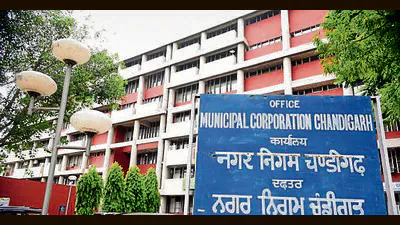
The municipal corporation (MC) is set to overhaul rules governing meat, fish, poultry shops and commercial food establishments in Chandigarh, with a detailed agenda regarding the same to be placed before the General House on August 20. The draft bylaws propose stringent penalties, with fines up to ₹ 50,000 (see box), besides sealing, confiscation, suspension, blacklisting and criminal proceedings of meat shops violating prescribed rules and not adhering to hygiene standards.
The proposed “MCC (Regulation, Control, and Inspection of Meat, Fish, Poultry Shops and Commercial Food Establishments) Bylaws, 2026” seek to replace the existing 2002 framework, amended in 2010 and encompasses licensing, sourcing, hygiene, refrigeration, traceability, inspection and penalties.
The draft covers hotels, restaurants, multiplex food courts, eating houses, dhabas, boarding houses and central commercial kitchens handling, receiving, storing or processing raw meat. Once approved by the House, the MC will publish the draft and invite public objections and suggestions for 15 days before notification.
Walls would require white or light-coloured glazed ceramic tiles up to at least seven feet (2.1 metres), with a smooth, non-absorbent, washable and disinfectable surface. The draft proposes a mandatory MC no-objection certificate (NOC) for businesses dealing in raw meat, chicken, pork or fish. No person or commercial entity, including shops, hotels and restaurants, will be able to sell, import, store or process such products within municipal limits without an NOC from the medical officer of health. Thereafter, it would require the FSSAI (Food Safety and Standards Authority of India) food business operator licence. The NOC would be valid for a year and require annual renewal, although the agenda does not specify the fee. Flooring of meat shops would have to be non-porous and impervious, sloped towards a trapped floor drain connected to the sewerage network. Raw-meat handling, receiving, customer-service and food-preparation areas would have to be fully air-conditioned. Direct passage between such premises and residential areas would also be prohibited. Authorised officers will inspect shops, restaurant kitchens, hotel cold rooms and receiving areas without prior notice during working hours. They have the power to seize, confiscate and destroy stale, unstamped, undocumented, uninspected or illegally sourced meat, including decomposed, contaminated or improperly stored products and raw meat kept alongside ready-to-eat food. No compensation would be payable for seized material.
