
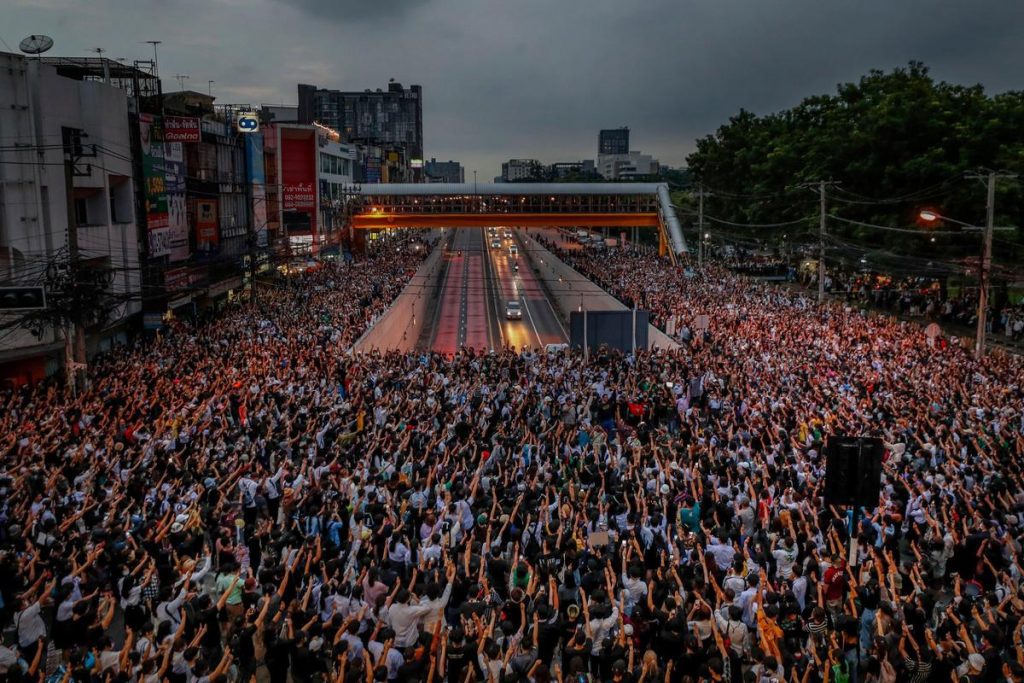
The story so far: Thailand’s Peaceful Society Promotion Act, an amnesty initiative passed by lawmakers in July, came into effect on Monday (August 24, 2026), as the government under Prime Minister Anutin Charnvirakul seeks reconciliation with a large share of the population still leaning towards populist former leader Thaksin Shinawatra, a key figure at the centre of the country’s political turmoil.
The panel will have representatives from Parliament, human rights experts, and civil society organisation members. In addition to granting release for current prisoners, the committee can also close investigations and prosecutions, dismiss pending court cases, and clear criminal records of those eligible for the amnesty. The current Bhumjaithai Party-led government, which came to power after a snap election following a short term as a minority government, is on thin ice, having to manage strong voices from multiple political alignments in the country, and the sweeping amnesty provisions, which can be interpreted for the pro-democracy outfits as well as the royalists simultaneously, is a strategic move to secure support.
However, the Act also seeks to protect the elected government from provoking royalists and the country’s coup-prone military by allowing citizens charged under the controversial Article 112, lese majeste, which criminalises insult to the monarchy. Government officials have said that the panel will review all political cases recorded between 2005 and 2025 under the Act. It said that, as of July this year, around 54 people remained in prison over political activities, but only around 10 of them would be eligible for amnesty since the others have Article 112 charges against them.
The Act calls for the setting up of a committee, the “peaceful society promotion committee”, led by the Prime Minister or his deputy within a month to determine who qualifies for amnesty.
Critics say that the new Act also has a provision explicitly stipulating that even the existing special rehabilitation and judicial diversion plans for minors cannot be applied to any youth facing a Section 112 charge.
This ensures that the law serves as a “blunt instrument of absolute exclusion, stripping young pro-democracy activists of the legal protections normally afforded to children under both domestic and international human rights frameworks”, said 112watch, a Thai organisation campaigning against the lese majeste provisions, when the legislation was passed. The legislation shows that political reconciliation in Thailand is “selective, conditional, and reserved only for favoured factions”, the organisation said in a statement condemning its clearance. “Excluding Article 112 — a provision historically used as a political weapon to suppress dissent — does not foster national harmony; it deepens societal wounds and institutionalises state impunity”, it said.
