
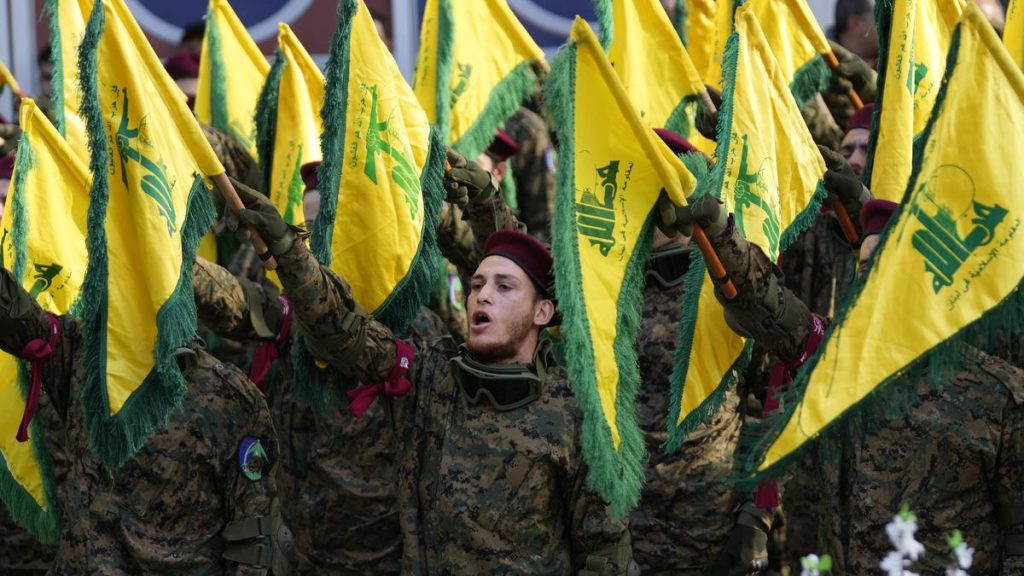
Since a ceasefire went into effect between Israel and Hezbollah more than two months ago, fighting has stopped in much of Lebanon, but not on a strategic hill overlooking parts of a main southern city.
In recent weeks, Ali Taher Hill has been the scene of daily shelling and airstrikes by Israel’s military. Hezbollah, a militant group backed by Iran, has repeatedly attacked Israeli forces in the area with drones. The United States, which is mediating talks between Lebanon and Israel, had wanted Hezbollah to hand over the hill to the Lebanese army as part of larger plan to disarm the militant group and dismantle its infrastructure. But Hezbollah has refused. It is unclear how far Israel’s control extends. ALSO WATCH Watch: U.S.- Iran war: Peace talks stall after Hezbollah rejects truce There has been no official statement from Hezbollah since Israel’s announcement.
On Thursday (September 3, 2026) night, Israel’s military announced it had taken “operational control” of Ali Taher and a network of tunnels beneath it that Hezbollah uses to shelter its fighters and weapons. Just before Israel’s announcement, its air force was still targeting the hill, according to Lebanese state media.

Lebanon and Israel reached a framework agreement in June stating Israel will withdraw from Lebanon as Hezbollah is disarmed. The militant group was not a party to the negotiations and has rejected calls to disarm in areas north of the Litani river, which is where Ali Taher is located. A full-on battle over this hill near the city of Nabatiyeh could escalate fighting across the country, and unrest in Lebanon complicates efforts to resolve the war in Iran. Hezbollah firmly rejected a proposal from the Lebanese government to hand over Ali Taher to the country’s army. It fears Israel would then seize control of the hill from the Lebanese army and then demand the handover of more territory. The hill has a strategic location overlooking several villages as well as main roads leading to Nabatiyeh. Losing full control of it would disrupt Hezbollah’s presence and supply lines in the area. The hill, topped with a shrine to a Muslim scholar, sits north of the Litani river, which has become the de facto boundary of the area captured by Israel since its latest war with Hezbollah began in early March. But he and others downplayed the significance of the site should Israel take it. In mid-August, Israel carried out a series of airstrikes on southern Lebanon that it described as retaliation for a Hezbollah drone attack on Ali Taher that seriously wounded three soldiers. Hezbollah did not claim responsibility for any of the attacks. Lebanese and Israeli officials are set to meet for negotiations in Rome later this month. He spoke on condition of anonymity in line with regulations. Still, Hezbollah is not likely to take any move forward regarding talks with the U.S. without a green light from its main backer, Iran. Iran has sought guarantees that Israel will halt its attacks on Hezbollah as part of any permanent deal While talks with the U.S. over their war have stalled. The capture of Ali Taher would open the way to Nabatiyeh and also lead to the nearby Apple Province and Rihan Mountain, where Hezbollah has been building up its presence since the late 1990s. Israeli leaders have repeatedly pledged to leave troops in Lebanon and threatened to escalate military pressure until Hezbollah disarms. Khdour of ACLED. Khdour.
Israel had occupied Ali Taher for 18 years before it withdrew from Lebanon in 2000. Israel said in its statement Thursday (September 3) that the hill housed underground command centres, weapons storage rooms, generators, living quarters, showers and a kitchen. An Associated Press photographer who visited the nearby village of Kfar Rumman on Friday (September 4) saw no sign of Israeli military presence on the hill. The Israeli strikes, which killed 11 people, including women and children, were the deadliest since the U.S.-brokered ceasefire went into effect in late June. On August 27, Israel carried out a series of airstrikes, killing one person and wounding six, after the military said Hezbollah fired two explosive drones at Israeli troops in the area. Meanwhile, Hezbollah, which has always refused to speak directly to the U.S., appears to be changing its policy after the major setbacks it has suffered during its wars with Israel since 2024.
Because of tunnels it built there, with funding from Iran, the Israeli military says the site is also important to Hezbollah. He accused Israel of blocking the army due to its own political considerations ahead of Israeli national elections on October 27.
Israel said it cleared Ali Taher of Hezbollah fighters and was working to “neutralise underground infrastructure sites. Hezbollah legislator Ihab Hamadeh questioned why the Israeli military was still attacking the hill if it was really in control of the area, according to the Arabic-language version of Russia’s state-funded news outlet Sputnik. ALSO WATCH Watch | Israel-Hezbollah war explained: Why Israel launched a ground offensive in Lebanon “Israel has been conducting military operations around Ali Taher since July,” said Nasser Khdour, a Middle East researcher at the Armed Conflict Location & Event Data Project, or ACLED, a U.S.-based group that tracks conflicts around the world. Hezbollah official Mahmoud Qamati told a Lebanese podcaster in late August that the group’s fighters were repelling attempts by Israeli troops to take Ali Taher. “Ali Taher is important, but if it is lost it does not mean the end of Hezbollah,” Mr. Qamati said. Lebanon’s Deputy Prime Minister Tarek Mitri told an Arab TV station in late August that the Lebanese army was ready to take over Ali Taher. “The problem is not in the Lebanese army’s readiness but in Israel’s stance,” he said. A Lebanese official told The Associated Press that indirect contacts are going on between the U.S. and Hezbollah, but refused to give any details. The U.S. ambassador to Lebanon, Michel Issa, said recently that Washington is ready to speak with Hezbollah if the group agrees to disarm. “Israeli control of the area is an operational and military setback for Hezbollah,” said Mr. He said clearing these sites helps Israel protect towns in the northern part of its country, and increases pressure on Hezbollah. “This will strengthen Israel’s position in any future negotiations over its withdrawal,” said Mr.

