
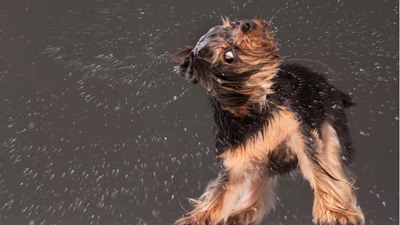
With homes staying shut for longer during the rainy season, the air indoors can trap more than just humidity. While pet owners often notice fur on furniture and floors, what many don’t realise is that their furry companions may also be bringing in invisible allergens such as pollen, dust, mould spores and dander. According to Dr Hansika Singh, Veterinarian (B.V.Sc & A.H), seasonal transitions make it even more important to pay attention to grooming and indoor hygiene, not just for pets, but for the whole family. (Also read: Ticks in dogs during humid weather: Vet shares 5 tips to prevent infestation and tick-borne illness )
Event Context
Emphasising the importance of regular grooming, Dr Singh said, “Regular grooming, including bathing and coat brushing, is especially important during the transition from dry weather to the pre-monsoon and monsoon seasons. It helps remove dirt, excess oils, loose hair and environmental allergens that can accumulate on the skin and coat.”
She added, “Routine grooming practices such as daily combing and coat massaging also promote healthy skin circulation, prevent matting, and allow detection of ticks, fleas or skin issues.”
While brushing helps keep a pet’s coat clean, Dr Singh noted that it cannot completely prevent allergens from entering the home. “An air purifier can support pet health by reducing airborne allergens such as pollen, dust, mould spores and dander within the home. Lower allergen exposure may help minimise skin irritation, particularly in pets prone to environmental sensitivities,” she said.
Shedding may continue even after winter, and shaving your pet isn’t the answer. A pet’s coat naturally protects it from changing weather conditions. Instead, brush your pet regularly to remove loose hair, dirt and allergens before they spread around the house.
Pet fur isn’t the only trigger for allergies. Dander, pollen, bacteria and dust can cling to a pet’s coat after walks and later become airborne or settle on furniture, carpets and bedding. Maintaining good indoor air quality and cleaning frequently can help minimise allergen build-up.
Pet beds, blankets, sofas and carpets where animals frequently rest can accumulate hair, dust mites and dander over time. Washing bedding regularly and vacuuming resting areas can help maintain better hygiene and reduce allergen exposure.
Rainy-day walks don’t just leave muddy paw prints behind. Wet paws can also carry fine dirt, pollen, leaves and other outdoor particles indoors. Wiping your pet’s paws before they enter the house can significantly reduce the amount of dirt and allergens brought inside.
Match Outlook
According to Dr Singh, “Pet owners don’t need to wait for shedding season to peak before they act. The earlier signs, a bit more scratching, a slightly duller coat, dust that returns faster than expected, are the real indicators worth watching. Read them early, and grooming and air management stop being a seasonal scramble and start being a routine that keeps both pets and homes genuinely comfortable, all year round.”
By making grooming, cleaning and indoor air quality a regular part of pet care, owners can create a healthier, more comfortable environment for both their pets and their families throughout the monsoon season.
Dr Hansika Singh is a New Delhi-based veterinarian (B.V.Sc & A.H.) and animal health educator. She completed her Bachelor of Veterinary Science and Animal Husbandry from N.T.R. College of Veterinary Sciences and regularly shares pet care, animal health and grooming advice through her YouTube channel and social media platforms.
Note to readers: This article is for informational purposes only and not a substitute for professional medical advice. Always seek the advice of your doctor with any questions about a medical condition.
