
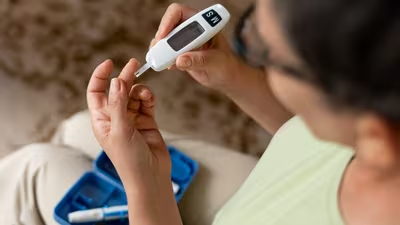
Diabetes is often called a “silent disease” because it can develop gradually without obvious symptoms, quietly affecting vital organs over time. Many people don’t realise they have the condition until complications involving the heart, kidneys, eyes or nerves have already developed.
Event Context
In an interview with HT Lifestyle, Dr Dheeraj Kapoor, chief, endocrinology, Artemis Hospitals, Gurgaon explained why early screening is crucial, the warning signs people often ignore and how lifestyle changes during the prediabetes stage can help prevent the disease. (Also read: Taking calcium supplements? Urologist Dr Pradeep Prakash explains whether they really cause kidney stones )
“Diabetes is called a silent disease for a reason. Many illnesses cause obvious symptoms, but diabetes can sneak up over several years, silently damaging the body. By the time many people seek medical help, the disease may already have involved the heart, kidneys, eyes, nerves and blood vessels. The most common mistake people make is waiting for symptoms to show up instead of catching the condition early through routine health screening,” said Dr Kapoor.
Dr Kapoor stressed that prediabetes is the ideal stage to prevent or delay the onset of diabetes. “Before diabetes fully develops, there is prediabetes. This is when blood sugar is higher than normal but not yet high enough to be classified as diabetes. It usually doesn’t cause noticeable symptoms, but it offers the best opportunity to prevent diabetes through healthy lifestyle changes,” he said.
He added, “A balanced diet, regular physical activity, maintaining a healthy weight, getting good-quality sleep and managing stress can significantly improve blood sugar levels if action is taken early.”
Dr Kapoor highlighted that diabetes is becoming an increasingly serious health concern in India.
“The body often gives subtle warning signs long before diabetes is diagnosed, but these are frequently ignored. Regular health screening helps identify these early changes, allowing people to adopt simple lifestyle modifications that can delay, or even prevent, the onset of diabetes,” he concluded.
Dr Dheeraj Kapoor is an endocrinologist in Gurgaon with over 30 years of experience in the field. He completed his medical degree from G.R. Medical College, Jiwaji University, Gwalior, in 1995 and pursued an MD in Medicine from the same institution in 1998. He later specialised in Endocrinology, completing his DM in Endocrinology from the Institute of Medical Sciences in 2005. His clinical practice focuses on the diagnosis and management of various endocrine disorders, including diabetes, thyroid conditions and hormonal disorders.
Note to readers: This article is for informational purposes only and not a substitute for professional medical advice. Always seek the advice of your doctor with any questions about a medical condition.
source
According to Dr Kapoor, the initial symptoms are often subtle and easy to dismiss. “The early warning signs are usually mild and easily missed. Constant tiredness, extreme thirst, frequent urination, blurred vision, slow-healing cuts, frequent infections and unexplained changes in weight are often blamed on stress, long working hours, lack of sleep or simply getting older,” he explained.
“The growing burden of diabetes in India makes early detection more important than ever. According to ekincare’s India’s Silent Health Crisis report, nearly one in three individuals is already at risk of diabetes based on early markers such as HbA1c and fasting blood sugar. This suggests that many people may be undergoing metabolic changes without knowing it,” he said.
He advised that people with obesity, a family history of diabetes, high blood pressure, high cholesterol or a sedentary lifestyle should undergo regular health check-ups.
According to Dr Kapoor, diabetes has several contributing factors beyond sugar consumption.
“Diabetes is not solely the result of eating sugar. It is a metabolic condition influenced by genetics, unhealthy eating habits, lack of physical activity, obesity, sleep deprivation and excessive stress. Regular monitoring of HbA1c, fasting blood sugar, cholesterol, blood pressure and body weight provides a clearer picture of a person’s metabolic health and future risk,” he explained.
Dr Kapoor concluded that diabetes rarely develops overnight, giving people an opportunity to intervene early.
