
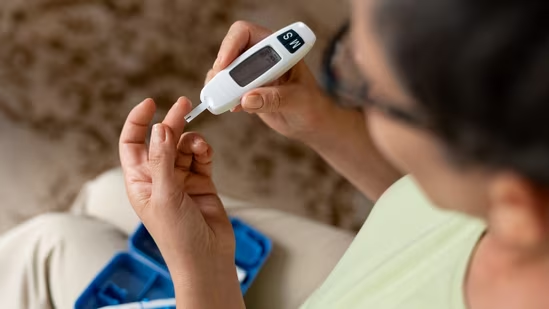
Uncontrolled diabetes is quietly turning into one of India’s biggest health threats. More than half of all adults living with diabetes in India do not know they have it, the World Health Organisation (WHO) has warned, putting tens of millions at risk of heart attacks, strokes, kidney failure and blindness. Also read | Nearly 1 in 3 Indians at risk of diabetes? Endocrinologist Dr Dheeraj Kapoor shares warning signs and prevention tips
Source
India now faces one of the largest diabetes burdens in the world, according to WHO data:
⦿ 77 million adults are living with type 2 diabetes
⦿ 25 million are prediabetic
⦿ Over 50 percent remain undiagnosed
Per WHO, globally, diabetes cases have more than quadrupled — from 200 million in 1990 to 830 million in 2022 — with the fastest rise in low- and middle-income countries.
Diabetes is a chronic condition marked by high blood sugar. Over time, it damages the heart, blood vessels, eyes, kidneys and nerves. WHO says high blood sugar causes damage silently, often for years before symptoms appear:
⦿ Heart attack and stroke: people with diabetes have 2 to 3 times higher risk. High glucose was linked to 11 percent of all cardiovascular deaths globally in 2021.
⦿ Kidney failure: diabetes is a leading cause of end-stage renal disease.
⦿ Vision loss: retinal damage leads to diabetic retinopathy, a top cause of blindness.
⦿ Amputations: nerve damage and poor circulation in feet can cause ulcers and infections requiring limb amputation. Also read | Doctor says these 8 symptoms could mean your kidneys are failing: Are you at risk of kidney disease?
Type 2 diabetes accounts for more than 95 percent of cases, per WHO, and the symptoms are often mild: frequent urination, excessive thirst, persistent fatigue, unexplained weight loss, and blurred vision. Because of this, WHO urges adults, especially those over 30, to get regular blood sugar tests.
Type 1 diabetes cannot be prevented. But type 2 is largely preventable and manageable. WHO recommends: 150 minutes of moderate exercise a week, maintaining a healthy weight, a diet low in saturated fat and refined sugar, and quitting tobacco — which further raises heart risks.
For those diagnosed, early treatment is key. It includes medication such as metformin, SGLT-2 inhibitors or insulin, plus controlling blood pressure and cholesterol. WHO also stresses regular eye checks, kidney function tests, and foot care to prevent complications.
Note to readers: This article is for informational purposes only and not a substitute for professional medical advice. Always seek the advice of your doctor with any questions about a medical condition.
