
On October 7, 2026, Prime Minister Narendra Modi completes a quarter of a century as head of a state and country without any break or holiday or idyllic retreat. A tireless leader who started from Gujarat in 2001 and then evolved into a statesman after braving all the elements.
During these years, PM Modi is known to be a workaholic, untiring listener and an astute politician with impeccable timing. This does not mean that he has given up on being the trump card for the BJP in the forthcoming Assembly or General elections but that he is totally committed to his strategic vision for India. Even though PM Modi scores a distinction when it comes to leading from the front and making India into a global player, he is still working to manoeuvre the rigid Indian bureaucracy into faster implementation of his policies. The Indian growth graph would have been much better during Modi’s quarter century had the bureaucracy implemented the decisions at the speed at which they were taken.
The world today is in economic and political turmoil but India under Modi is growing at unprecedented 7.8 per cent growth and the country is largely secure from adversaries across the borders and destabilizers who sit across the oceans on both sides. Having personally known the PM for the past 25 years, I can recall many anecdotes highlighting his crisis-tackling capabilities and political sagacity but the leader now has moved into a different philosophical plane. He has a direct connection to the Indian street, has cut the Opposition noise and the orchestrated political chaos, and is singularly focused on how to make India self-reliant and complete his 2047 mission of a developed country. And to achieve that he has made multi-pronged moves since 2014 and has already pushed India to the global stage where it is feared by adversaries and grudgingly respected by friends and partners. The first step Narendra Modi took after being sworn in as PM on May 26, 2014 was to make India secure by adopting a ‘zero tolerance to terror’ strategy. This was a leaf out of his Gujarat days when he unearthed the entire Indian Mujahideen terror network after the 2008 Ahmedabad serial bomb blasts, which were orchestrated by a religious cleric and Islamist from Azamgarh in UP who had weaponized Indian Muslim youth to avenge the 2002 Gujarat riots by targeting Ahmedabad and Surat. Before embarking on his ‘zero tolerance to terror’ policy, PM Modi reached out to the political leadership of terror sponsor Pakistan and went to the extent of flying into Lahore on December 25, 2015 in genuine hope that Islamabad will mend its ways. Another opportunity was given to Pakistan to bring the perpetrators of January 2, 2016 attack on Pathankot air base to book with India sending all the evidence it had garnered. Since Pakistan and its Hindu-hating military refused to mend its ways, India responded with 2016 surgical strikes, 2019 Balakot strikes, and 2025 Op Sindoor to avenge the Uri, Pulwama and Pahalgam terror attacks which were the handiwork of Pakistan-based terror groups. Unlike the previous governments that caved under American pressure after dastardly terror strikes like 26/11, PM Modi retaliated by giving free hand to Indian military and intelligence agencies and giving two hoots to diplomatic advice and international pressure. He went a step further by holding the 1960 Indus Water Treaty in abeyance until Pakistan stops exporting terror to India. the Indian bureaucracy works the files for over 30 years for every individual at the minimum after passing the UPSC exam While politicians have to give account every five years.
It is due to his leadership skills and policy guidelines that Indian women have come to the front, be it leading a pack of fighter jets against the enemy to winning gold medals in international sports events. One should not forget that the UP State government at that time stayed away from the Azamgarh arrest due to minority vote bank politics, just as Bihar government deliberately looked the other way when it came to arresting top IM terrorist Yasin Bhatkal on the India-Nepal border in August 2013.
A relic of the British past, Indian bureaucracy survives on “I, me, myself” principle with poor record of integrity and implementation of government policies. With rapidly expanding highway network, transforming railway, a peaceful Jammu and Kashmir and vanquished Maoists from the resource-rich heartland of the country, an average Indian today is more confident in standing up to his/her western counterparts.
So the big question is – now that PM Modi has completed his 25 years at pole position, what next? The answer was given to me by a female Cabinet Minister in 2014. And I agree.
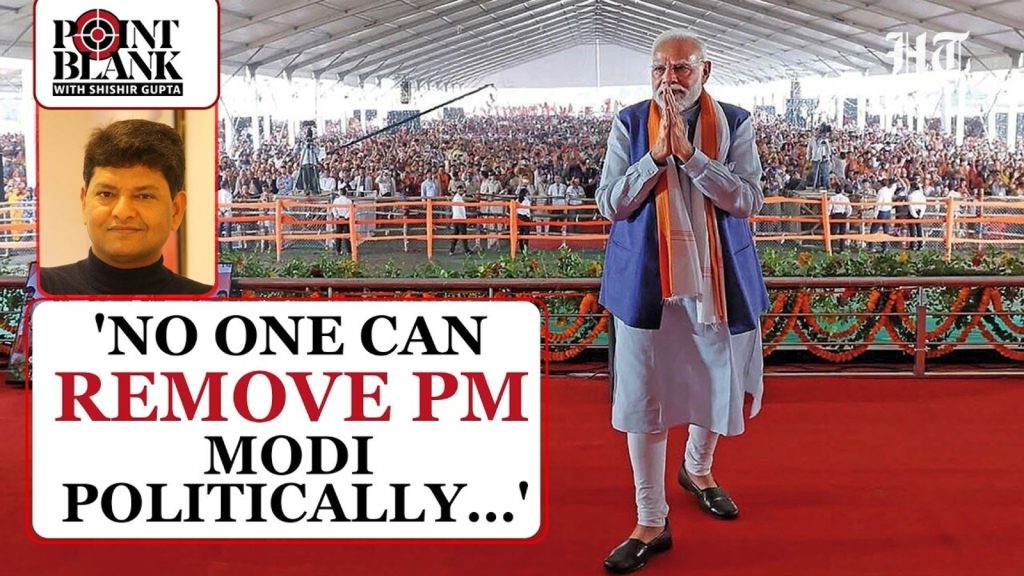
She said the Narendra Modi will lead the country till he wants to. No one can remove him politically, she said.
