
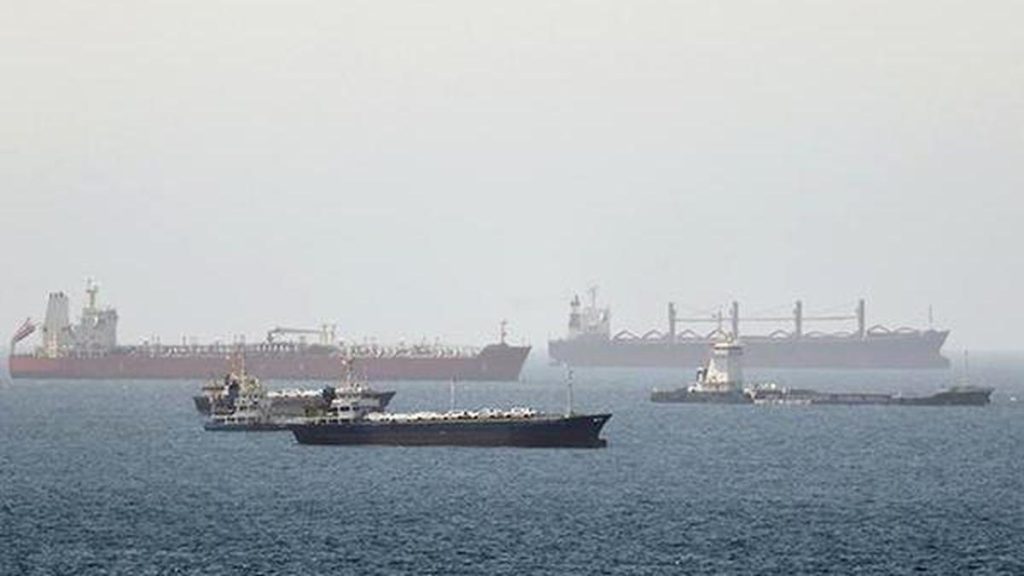
State-run Engineers India Ltd (EIL) is in early-stage discussions with Saudi Arabia and the UAE to provide consultancy and engineering services for oil and gas infrastructure aimed at reducing the Gulf producers’ dependence on the Strait of Hormuz, which has been severely disrupted by the Iran conflict, its chairman said.
Because international business has become an increasingly important source of growth, the slowdown is significant for EIL. Saudi Arabia and the UAE are planning investments of about $1 billion in pipelines, storage facilities, oil terminals and related infrastructure to provide alternative routes for moving crude and petroleum products to international markets, EIL chairman and managing director Atul Gupta told reporters after the company’s annual general meeting. Overseas projects account for 43% of its order book, while international consultancy contributed about ₹4,929 crore, or nearly 62%, of the fresh business secured during 2025-26. EIL secured fresh business worth ₹7,978 crore in the year ended March 2026, taking its order book to a record ₹15,109 crore as of March 31, he said adding the order book stands at around ₹17,000 crore currently. The company secured ₹510 crore of orders from the Gulf region since the Iran war started, he said. In Nigeria, the company has secured an EPCM mandate for the expansion of the Dangote refinery, valued at about $360 million, in addition to a separate assignment for a four-train fertiliser project.
EIL has strengthened its presence in Saudi Arabia and continues to work across the UAE, Bahrain, Kuwait, Algeria, Guyana and Mongolia, while also expanding its business in Africa, he said. The West Asia opportunity comes as EIL seeks to expand beyond its traditional hydrocarbons business and build a larger international presence. International expansion has been a central part of that strategy. The company’s ability to convert the current geopolitical disruption into new orders will depend on how quickly Gulf producers move from planning to actual investment and on the pace at which the conflict-related slowdown in existing projects eases.
