
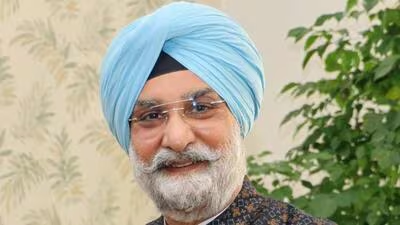
New Delhi: With 302,000 trial cases pending in Delhi’s district courts and concerns over low conviction rates and slow disposal of cases, lieutenant governor Taranjit Singh Sandhu on Monday ordered the Directorate of Prosecution to minimise avoidable adjournments, ensure timely production of witnesses and monitor delays against statutory timelines, officials said.
Delhi’s district courts has 302,477 trial cases pending as of September 30, including 254,597 cases in magistrate courts and 47,880 in sessions courts, officials informed in the meeting, which was attended by principal secretaries of law and home, the special commissioner of police (welfare and legal), the director of prosecution and other senior officials.
He also called for compliance with timelines prescribed under the Bharatiya Nagarik Suraksha Sanhita (BNSS), 2023, and regular monitoring of delays. Since August 2014, the committee has held 34 meetings covering 64,210 cases. The LG directed officials to implement trial in absentia in eligible cases and promote electronic records, digital case tracking and video-conferencing. The lieutenant governor also called for stricter scrutiny of charge-sheets and evidence in coordination with investigating officers, as well as closer coordination between prosecutors, Delhi Police and forensic laboratories. He also directed that prosecutors be trained in the new criminal laws, electronic evidence and forensic investigation. To improve accountability, Sandhu asked officials to analyse acquittals, identify lapses in investigation and prosecution, and take corrective action. Officials informed the meeting that a standing committee examines acquittal orders in criminal cases to identify such mistakes. He also called for effective communication with victims and directed that cases involving women and children be prioritised.
The BNSS provides for strengthening prosecution through adequate personnel, specific timelines for investigation and the use of technology, Sandhu said, directing officials to upgrade the Directorate of Prosecution’s structure, functioning and processes accordingly.
