
Gut health frequently finds mention in health and wellness advice, thanks to the gut’s connections with the brain and immune system, among its other roles. In everyday life, however, many people only pay attention to it when they experience acidity or digestive issues, such as bloating . They may blame a late dinner, a takeaway meal, or a stressful day at work, then turn to home remedies or self-medication for relief. But if the symptoms keep returning, it is high time to look beyond the temporary measures.
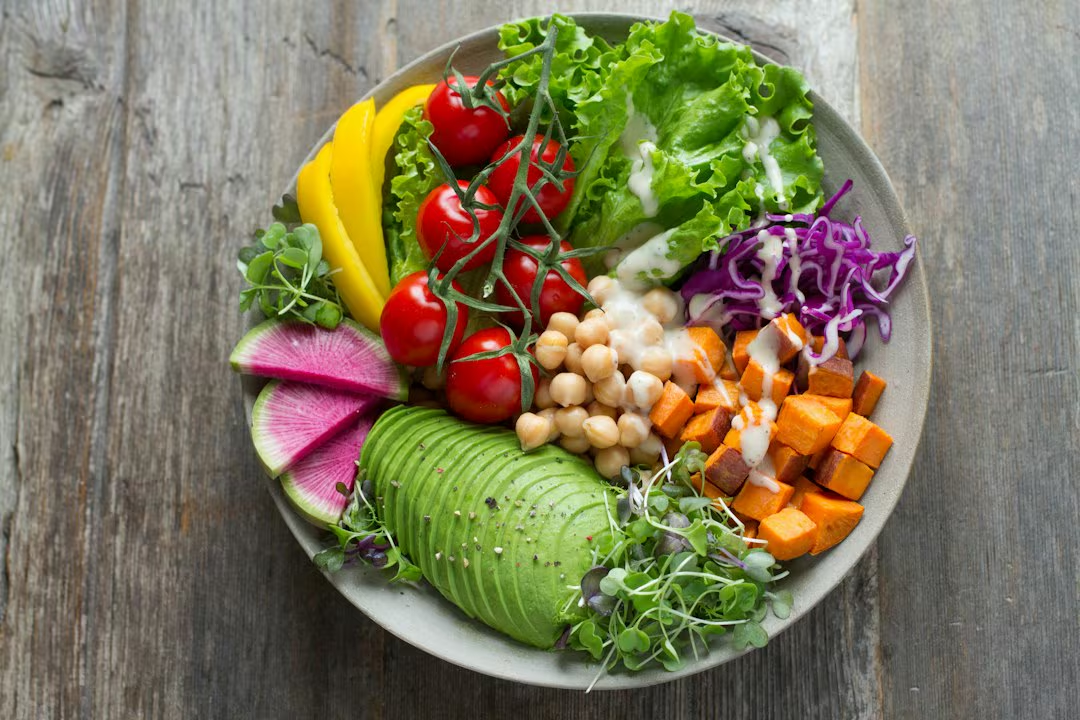
Dr Rajeev Reddy, consultant in gastrointestinal and minimally invasive surgery at Arete Hospitals, weighed in on the essentials of gut health, sharing why it should be a priority for your overall wellbeing. Your gut plays a wide-ranging role in your health, extending far beyond digestion. The surgeon explained, “The gut does much more than digest food. It is closely connected with the immune system and is home to trillions of microorganisms that play a role in digestion and metabolism. The balance of these microorganisms can be influenced by what is eaten, physical activity, sleep, stress, and repeated use of certain medicines, particularly antibiotics. From supporting immunity and metabolism to its connection with stress through the gut-brain relationship, your gut plays a role in several aspects of your overall wellbeing. Dr Reddy cautioned that a diet dominated by packaged foods, refined carbohydrates and added sugars, with very little fibre, does not adequately support healthy bowel function. He recommended including fruits, vegetables, whole grains, pulses, nuts and seeds. These foods provide fibre, which supports regular bowel movements and serves as a food source for beneficial gut bacteria, making it an integral part of a gut-friendly diet. When digestive problems such as bloating, acidity, or abdominal pain arise, people may try to manage them at home, sometimes turning to self-medication without understanding the potential consequences. The surgeon cautioned against repeatedly taking medicines for acidity or using antibiotics without clear medical guidance or a prescription. He also warned that antibiotics can alter the normal gut microbiome. Antibiotics are essential when needed, but should be used carefully. You may come across detox drinks that claim to improve gut health, but the surgeon flagged these, saying that you do not require expensive supplements, detox diets, or restrictive food plans. Instead, he recommended focusing on sustainable habits: eating enough fibre, staying active, sleeping well, managing stress, and using medicines responsibly.
Caring for it therefore means looking beyond your food choices.
