
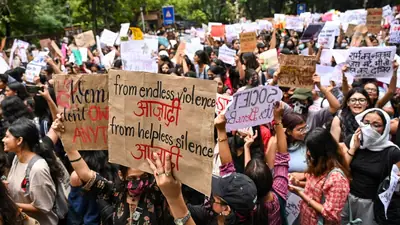
On October 9, the University of Delhi directed its colleges to conduct campus safety audits and submit their findings by October 12. The directive came weeks after 17-year-old girl was allegedly raped in a park in Kalkaji area, adjacent to Lady Sri Ram college on September 21. The incident, which led to agitation by students and other groups, raised a larger question: why does institutional action on women’s safety often gain momentum after incidents of sexual violence and student protests, rather than being part of routine campus life?
At the time, the Supreme Court had recently laid down the Vishaka guidelines on workplace sexual harassment, but DU did not have its own sexual harassment policy. This is when Parivartan students participated in discussions about the redressal of sexual harassment on campuses and formed a forum to address the issue. A common thread across all three surveys was that students’ sense of safety remained closely linked to their freedom to access and move around campus, with harassment, fear after dark and the avoidance of certain spaces emerging as recurring concerns. The surveys also highlighted the need for more effective reporting mechanisms, greater awareness of university-level remedies and proactive institutional action.
The 2013 survey found that 56.4% of respondents experienced staring, lewd comments or other forms of sexual harassment very often, while 70% did not feel safe with the increased police presence in the area. In 2014, although experiences of harassment varied, more than half of the respondents identified staring as the starting point of harassment, and 73.91% said they avoided campus areas after 5pm. The findings also raised questions about whether measures such as curfews and police deployment adequately addressed the problem: in 2013, 64% considered time restrictions pointless and unfair, while in 2014, 47.97% felt curfews did not improve their sense of safety or change anything. Recommendations in 2013 included better street lighting, gender sensitisation for campus police, active gender sensitisation committees and accessible complaint mechanisms, with students stressing that safety measures needed to be implemented rather than remain on paper.
