
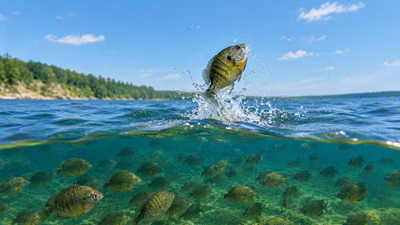
In 2006, Kouichi Kawamura and colleagues published a genetic study in the journal Molecular Ecology that found that almost all the bluegill fish swimming in Japan’s lakes and rivers today are descendants of just 15 fish. A quick stop at an aquarium turned into one of the most studied invasive species stories in modern science. This is not an estimate. The study analyzed DNA from throughout Japan, Korea, and the United States and traced the lineage back to a section of the Mississippi River near Guttenberg, Iowa.
The 2006 study’s sampling covered populations spread this way too, and traced them to the same 15 founding fish. The 2006 study finds that the earliest-founded populations, in the 1960s, maintained the highest genetic diversity, while younger populations showed the effects of repeated genetic bottlenecks as fish were moved from lake to lake by anglers. Officials estimated the population of the species nationwide to be about 25 million fish in 2007. In 2005, Japan’s central government banned breeding or releasing the species.
American-style bass fishing took off in Japan in the ’70s. Another US species, the largemouth bass, was stocked in ponds across the country, and bluegill often tagged along, riding the same stocking shipments to new lakes. The bass trade explains how the fish physically got to new lakes, not where they genetically came from. Bluegill are hardy fish. They will eat just about anything and will tolerate the murky, developed shorelines that native fish struggle with. When they gained a foothold, they grew rapidly. A subsequent study by Kawamura’s team showed that this pattern of spread corresponded with historical records of how people had transported bluegill across the country, with bottlenecks becoming more severe the farther a population was from Lake Biwa. By the 2000s, bluegill had spread to nearly every prefecture. Native species, including the rosy bitterling, a small fish native to Japan, were badly affected. From being a desirable gift to becoming a national headache throughout the country, the bluegill serves as a reminder that sometimes even a seemingly small and well-meant introduction of a species can reshape an entire ecosystem.
