
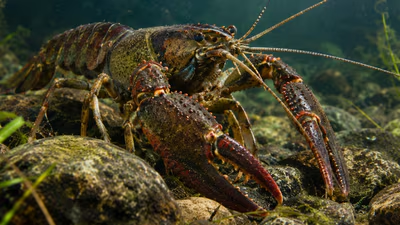
It brought in the signal crayfish, a species introduced to support fishing. We all have made a seemingly smart choice at the time that later turned into a headache. Sweden did something like that in the 1960s. Native populations have dropped by a factor of four since the newcomer arrived, and the newcomer carries a disease that is deadly to them.
The move proved catastrophic for the native noble crayfish, according to the Swedish University of Agricultural Sciences (SLU) .
Crayfish plague is a fungal disease that affects only freshwater crayfish. It spreads through spores between animals. The noble crayfish dies quickly when infected; the signal crayfish often survives it and transmits it. Think of someone who carries a cold without getting sick, while everyone around them does. Signal crayfish can still get sick if stressed by pollution, poor food supply, crowding, or unfavorable water temperatures. Wet fishing gear, other equipment, bait fish , and spores in the water can also carry the plague. It is assessed as critically endangered on the Swedish Red List of Threatened Species. Acidification, pollution , and water regulation all contributed to the decline, but the signal crayfish accelerated it. The loss also hits the wallets. The noble crayfish is worth over twice as much as the signal crayfish on the market. Sweden is not unique. Habitat loss, poor water quality, overfishing and climate change are also threats, but the most important are non-native crayfish and the crayfish plague. The aquarium trade is another route for new species. Some countries are setting up safe ‘ark’ sites to protect native crayfish.
SLU estimates up to 97 percent of its population has been wiped out in the past century. Between 1994 and 2007, almost a thousand lakes, rivers and watercourses were affected by the plague, and only Norrbotten County has been completely free. In a review published in Knowledge and Management of Aquatic Ecosystems in 2009, David Holdich and colleagues found that non-native species now outnumber native species in Europe by two to one.
The decline of the noble crayfish started in the early 20th century, mainly due to the plague.
Sweden has tightened restrictions on crayfish introductions. Anglers can help too. SLU recommends completely drying boats, traps, boots, and other gear before moving between bodies of water, and only using bait fish from the water you are fishing in, or freezing it for one day. This story shows how moving one species can end up changing a whole ecosystem.
SLU says illegal releases have persisted even though introductions were prohibited as early as 1994. The signal crayfish was designated an invasive species in 2016, and it is now illegal to farm the species or introduce it to new waters.
