
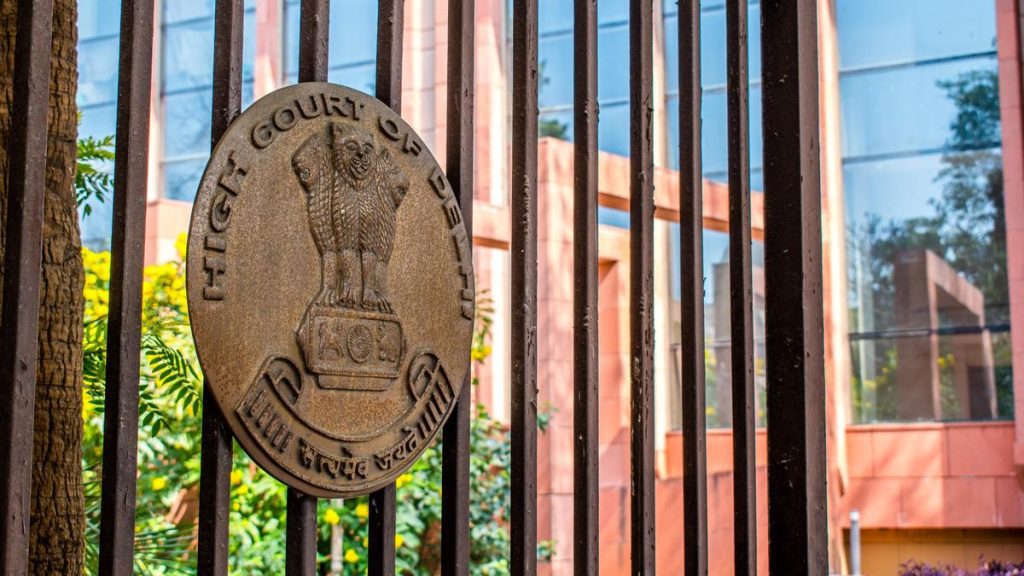
The story so far: The Delhi High Court has held that possession of a valid visa does not give a foreign national an inherent or legally enforceable right to enter India.
Justice Amit Mahajan was hearing a petition filed by a Turkmenistan citizen who was stopped at the Indira Gandhi International Airport in New Delhi despite holding a valid business visa. But she had to return to Turkmenistan the same day. The petitioner sought a written order explaining why she had been denied entry and also sought permission to enter India with her business visa.
She had arrived in India on March 25, 2026 on the same flight as her husband who was permitted to enter the country. The court dismissed the petition on September 30, holding that there is no inherent or legally enforceable right of a foreign national to enter India.
What was the case about?
The court examined material placed by the government in a sealed cover. The material referred to discrepancies in the petitioner’s personal details, the absence of a business card or invitation letter, and the lack of details about the business or company with which she was associated. The court also noted her travel history on medical and business visas. It noted that issuance of a visa, refusal of entry and immigration clearance are sovereign functions of the State, involving considerations such as national security, foreign policy and administrative discretion. The court drew a distinction between satisfying the requirements for obtaining a visa and actually being admitted into the country.
The authorities also told the court that “adverse inputs” had been received concerning the petitioner and that the decision was taken in the interest of national security and public order. The court held that “there is no inherent or legally enforceable right of a foreign national to seek entry into India”. The court noted that “the statutory framework, therefore, does not treat the possession of a visa as creating an absolute and unconditional right of admission into India”.
