
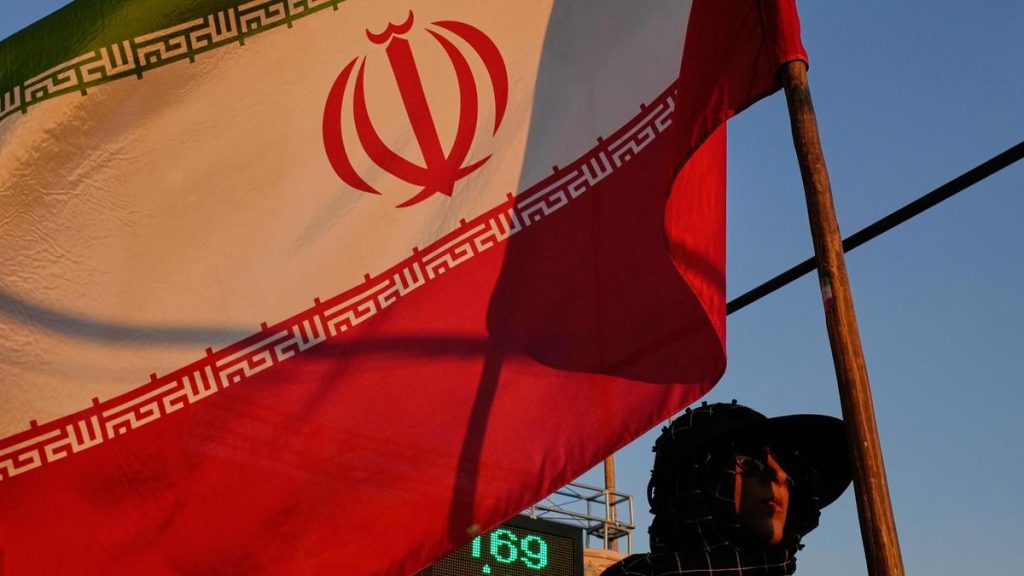
Russia and China vetoed a United Nations resolution on Thursday (September 17, 2026) that would have authorised UN experts to keep monitoring sanctions that were reimposed against Iran last year over its nuclear program.
In March 2024, a Russian veto ended UN monitoring of sanctions against North Korea over its nuclear program. U.S.
Deputy Ambassador to the UN Jennifer Locetta said the United States wasn’t surprised by the vetoes because the experts “would have shined the light” on prohibited cooperation between Iran and its partners. She said the vetoes are part of a broader effort to prevent expert monitoring of sanctions, and even the appointment of panel members, “to stifle reporting that implicates their own activities in support of rogue regimes. In Mali, sanctions were terminated, and Locetta said that in Yemen and the Central African Republic expert appointments have been delayed or refused. Russian UN Ambassador Vassily Nebenzia reiterated Moscow’s claim that the “snapback” of sanctions against Iran was illegal, and therefore the resolution to extend the mandate of the panel of experts “was deeply flawed and did not have any legal basis. Russia and China had strongly urged the U.S. and its allies not to put the resolution to a vote, which would only increase tensions in the council, Nebenzia said, but Washington “decided to opt for confrontation.”
Since Israel and the U.S. struck Iran’s nuclear sites in June 2025, UN nuclear inspectors have been unable to verify the status of Iran’s stockpile of enriched uranium. Iran maintained a stockpile of 440.9 kilograms (972 pounds) of uranium enriched up to 60 per cent purity — a short, technical step away from weapons-grade levels of 90 per cent, according to the UN nuclear watchdog.
French UN Ambassador Jerome Bonnafont, the current council president, said implementing sanctions is “a crucial instrument to encourage Iran” to return to its nuclear obligations. France will study how to ensure sanctions are enforced, he said.
