
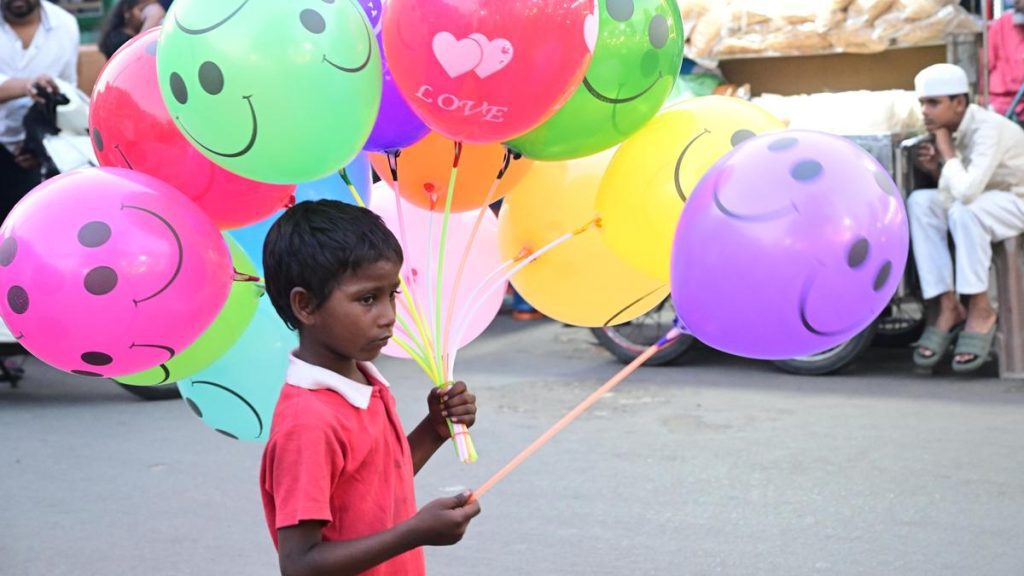
The National Commission for Protection of Child Rights (NCPCR) has rescued over 3,800 children from child labour under a sustained campaign launched in June. Over 575 FIRs have also been registered in connection with these incidents.
The Child Rights Commission undertook coordinated measures with the concerned State Governments/Union Territory administrations, district magistrates, labour departments, police authorities and other stakeholders to intensify the identification, rescue and rehabilitation of children engaged in child labour and those vulnerable to trafficking and exploitation. Following this, it issued communications to the concerned authorities requesting intensified and targeted rescue operations at child labour and trafficking hotspots. States and UTs were also requested to furnish regular data on rescue operations, children rescued, FIRs registered, rehabilitation, restoration, educational mainstreaming, compensation and other follow-up measures, etc. To monitor implementation and address field-level issues, the NCPCR conducted meetings with the district administrations. The meetings focused on reviewing rescue operations, addressing operational bottlenecks, ensuring timely submission of ATRs and strengthening coordination among the concerned departments and agencies. The NCPCR also undertook awareness and outreach through social media and other communication platforms, disseminating information regarding the campaign, reporting of child labour and the importance of rehabilitation and educational mainstreaming following rescue, the statement added.
With sustained and proactive monitoring of the above campaign, NCPCR, in collaboration with State authorities, successfully rescued over 3,800 children. Further, over 575 FIRs have been registered during the campaign.
The NCPCR, a statutory body under the Ministry of Women and Child Development, launched a special “Pan-India Rescue and Rehabilitation” campaign on June 12, which continued until August 31, an official statement said here on Friday (September 4, 2026).
