
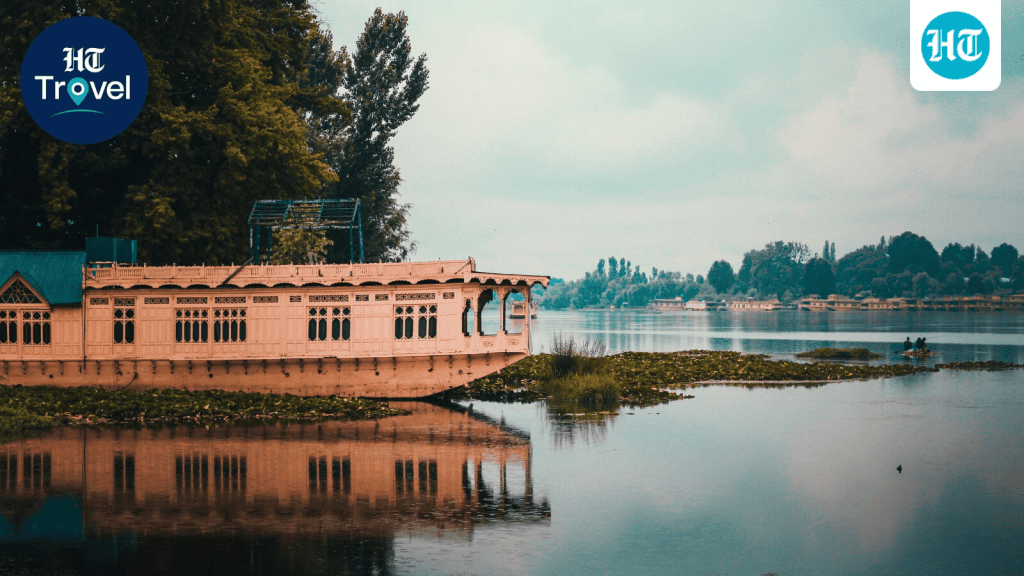
Days can sit around 18°C to 22°C when the sun is out, while early mornings and nights can drop to around 2°C to 5°C. Kashmir has a very short window when the valley seems to change colour almost overnight. The Chinar trees begin turning golden from late September. By October and November, Srinagar has that unmistakable autumn look that makes you want to stop the car every few minutes. But autumn in Kashmir is not all about pretty trees and crisp mornings. The weather needs some planning too. That means you do not need a suitcase full of winter clothes. You need the right layers.
Before you leave. Buy the right things and skip the unnecessary ones
Kashmir taxi fares change with vehicle type, season and local rules, and the latest rate should always be confirmed before the trip. This is also a good season for a five-day Kashmir trip if you want to keep things fairly simple. I would plan around Srinagar, Gulmarg, Pahalgam and one quieter valley, rather than trying to squeeze every famous stop into five days. And then there is the practical stuff. Local taxi rules can add to your bill if you do not know about them in advance. Gondola tickets need planning. Some remote areas are still very cash-dependent. Your phone connection can also become a problem if you arrive with the wrong SIM. Here is how I would plan it. Autumn is not snow boot season in most of the lower Kashmir valleys. You can leave the giant rubber boots at home unless your specific route has a very different weather forecast. A pair of trail or hiking shoes with proper rubber lug traction makes much more sense. Something along the lines of Decathlon’s MH100 works well for walks, damp paths and uneven ground. I would rather travel with shoes that fit properly than rent a pair of rubber boots that may have spent the day getting damp inside. A few other things deserve space in the bag. • UV protection sunglasses. The sun can feel surprisingly strong at altitude. • A lightweight windproof poncho or compact umbrella. Autumn showers can appear without much warning. • A power bank. Cold weather can affect battery performance, so do not rely on your phone lasting all day for maps, tickets and photographs. • A small luggage scale if you are flying. It weighs almost nothing and saves the airport surprise. You really do not need seven completely different outfits for seven days in Kashmir. The trick is to layer and repeat. For men, I would pack two thermal sets, three shirts, one fleece, one windproof puffer and two pairs of trousers. Wear the puffer on the flight, and you have already saved valuable suitcase space. For women, the same system works with a few easy changes. Thermal leggings can sit under jeans, trousers, kurtis or long dresses. A fine-knit sweater can go under a shacket, and a pashmina is useful without taking up much room. The same clothes can look quite different in photographs if you change the sweater, scarf or shirt. This is one trip where packing fewer things actually makes getting dressed easier. Five days is not enough to do everything, and trying usually means spending half the holiday inside a taxi. If photography and nature are your thing, spend more time around Nishat Bagh, Naseem Bagh and Dal Lake. Naseem Bagh is particularly worth adding during Chinar season. If you want quieter landscapes, look at Doodhpathri or Sinthan Top instead of adding yet another busy tourist stop. If food and local culture interest you more, start early. Add an Old Srinagar walk and a visit to Pampore if saffron interests you. The point is not to see everything. It is to give yourself enough time to actually be somewhere. A five-day Kashmir itinerary with realistic costs The useful trick is to agree on the duration, route and total price before you get into the boat. A one-hour standard ride is very different from a longer route covering Char Chinar or the floating market. Leave Srinagar early and head to Gulmarg. If the weather is clear, take the Gondola. Online booking is the sensible option, particularly during busy periods. There is another reason to book the Gondola yourself. You know exactly what you have paid for. If someone approaches you with a package that suddenly includes a pony, guide, transfer and several other extras, stop and check what you actually need. Keep some extra money for food, local transport and entry charges. Gulmarg prices can rise quickly once you start adding small activities. This is one place where bargaining is not the main strategy. Ask for the rate card, choose your vehicle and confirm exactly which valleys are included. Also keep cash handy. This is the day I would protect from overplanning. Pick Doodhpathri if you want open meadows and a slower day. Pick Sonamarg if you want mountain scenery and a more established tourist route. Sonamarg has its own local transport arrangements for certain sightseeing routes, including places such as Zero Point. Published local taxi rates show fares varying by vehicle and route, so confirm the current rate at the local stand before setting off. If you choose Doodhpathri, carry cash and do not assume that every payment point will accept a card or UPI. This is also the day when comfortable shoes matter most. So if you normally use a prepaid SIM from another state, check with your operator before flying. A postpaid connection is the safer choice. Do not assume that your phone will simply connect after landing. This is one of the biggest things to factor into your Kashmir budget. Local taxi systems operate at major tourist destinations, and Pahalgam has particularly clear restrictions for sightseeing towards Aru, Betaab and Chandanwari. Outside taxis drop visitors in Pahalgam, and the local union vehicle handles the sightseeing. Ask your taxi operator this question before booking. “Is the local union taxi included in my package? If the answer is no, add that cost to your budget rather than treating it as an unexpected expense later. Srinagar itself is fairly easy for digital payments, but remote valleys are another story. Keep enough cash for taxis, small cafés, local purchases and entry charges. I would also keep a little emergency cash separately from the main wallet. Mountain trips have a funny way of producing small expenses at exactly the point where you have no signal, no ATM and no patience left. The exact number depends heavily on your hotel and whether you are travelling solo, as a couple or with family. For two people sharing a room and a private taxi, the biggest expenses will usually be accommodation, intercity transport and local sightseeing. Treat these as planning figures, not fixed tariffs. The biggest saving is actually very simple. Do not try to do too much. Stay in Srinagar for most nights, choose your day trips carefully, book your Gondola tickets directly, use the local taxi system correctly and pack layers instead of an entire winter wardrobe. Autumn Kashmir does not need a giant suitcase. It needs a warm jacket, sensible shoes, a little cash, a charged phone and enough time to stop when the Chinars turn gold. I went to Coorg for three days and came back rethinking how I take holidays and plan family vacations
Kandur bakeries are already working in the morning, and 7 AM is a good time to look for fresh tsot and kahwa. For a budget trip, keep around ₹ 800 to ₹ 1,200 aside for the evening ride, depending on the route and current rate. Phase 1 and Phase 2 are separate ticketed sections. Current travel information advises booking around 15 to 20 days ahead during peak demand, so I would not leave it until the night before. So I would budget roughly ₹ 2,500 to ₹ 3,200 for a comfortable local sightseeing vehicle, while checking the current rate card at the stand before paying.
Because someone tells you that you need one to reach the Gondola, you do not need to buy a pony ride simply.
Do not simply ask for a “Shikara ride” and then start discussing the price after boarding.
Three things you really need to know before going The J&K telecom rules have historically restricted national roaming for prepaid connections. TRAI documentation states that national roaming in J&K was allowed only for postpaid customers under the earlier regulatory framework.
Keep your first day easy. Check into your Srinagar hotel, have lunch and head towards Naseem Bagh in the afternoon. Depending on the time of year, the Chinars can be anywhere from green to deep gold. Come back towards Dal Lake for a sunset Shikara ride. The Department of Tourism regulates Shikara fares and requires registered boats to display rate information. Pahalgam is where the taxi system catches many first-time visitors by surprise. Your Srinagar taxi can take you to Pahalgam, but sightseeing towards Aru Valley, Betaab Valley and Chandanwari is handled by local union taxis. Keep your last morning for the city. Start with the Old Srinagar area and visit Jamia Masjid if it fits your plans and timings. Then spend some time shopping rather than rushing from one shop to another. Keep the final afternoon light. Here’s what to know about the Grand Train Tour Handpicked monsoon destinations in India backed by hospitality experts; what to pack, how to plan Disclaimer: At Hindustan Times, we help you stay up-to-date with the latest trends and products. Hindustan Times has an affiliate partnership, so we may get a part of the revenue when you make a purchase. The products listed in this article are in no particular order of priority.
A current 2026 reference lists ₹ 770 for a standard one-hour tourist Shikara, with ₹ 440 for each additional hour. Published 2026 fare lists show that the exact cost varies by vehicle. For Aru and Betaab together, current listed rates range from around ₹ 1,600 to ₹ 2,400 depending on the vehicle, while the three-valley circuit can range from around ₹ 2,000 to ₹ 3,000. Tried and Tested: Every suitcase I have reviewed so far, simplified into one buying guide Destination Buzz: Planning a Switzerland train holiday in 2026? We shall not be liable for any claim under applicable laws, including but not limited to the Consumer Protection Act, 2019, with respect to the products.
Because you decided Kashmir shopping needed its own expedition, you do not want to be dragging six shopping bags through the airport.
