
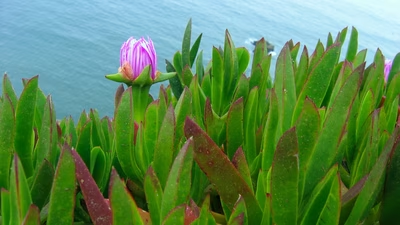
In the early 1900s, California planted the ice plant on railway embankments as a means to control erosion, and the California Department of Transportation (Caltrans) later planted it in roadside areas. This succulent plant, known as Carpobrotus edulis, is native to the coastal regions of South Africa, which has the same type of climate as coastal California. The ice plant has also been a popular ornamental plant for many years and is still available in nurseries.
Once introduced, the plant forms a thick and extensive carpet that kills competing plants and modifies the soil composition, according to CDFW. The California Department of Fish and Wildlife states that the plant grows fast and has been invasive in coastal California, ranging from areas above Humboldt County to as far south as Baja California . Walker links the plant to wider ecological effects. Ice plant alters the natural movement of sand in dune habitats, which changes the environment and reduces species diversity. Several sites had large colonies with multiple layers of dead material from previous years, so dense that nothing else could grow beneath it. The plant also has specialized structures that hold salt and release it into the soil when it dies. That prevents native species such as bluff lettuce (Dudleya farinosa) from establishing and results in a monoculture. Bluff lettuce is not currently listed as threatened or endangered, but only two of the dune plots at Point Reyes National Seashore have small populations of it. Native succulents are under their own set of pressures.
The park service says there are 26 native Dudleya species in California, 10 of which are listed as threatened or endangered under the Endangered Species Act. In some poaching cases, between 50 and 800 plants have been uprooted from the wild areas of Mendocino County. On September 28, 2021, California Gov. Gavin Newsom signed AB 223 , making it unlawful to uproot, remove, harvest, or cut dudleya from state or local government land, or from private property without written permission, subject to the law’s exceptions.
Due to being an invasive coastal plant , it competes with many endangered, threatened, and rare species.
