
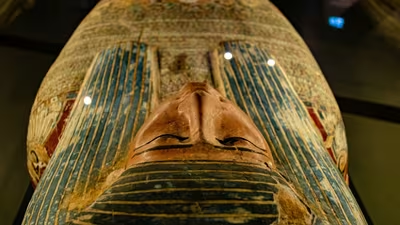
Guided by a new policy, museum authorities determined that displaying preserved body parts, including a mummified head, foot, and hand, without documented permission from the individuals fails to meet modern ethical standards. However, the decision has ignited fierce backlash online, with people questioning the logic of seeking consent from people who died thousands of years ago.
In a move that has sparked widespread public debate, Glasgow’s Kelvingrove Art Gallery and Museum has pulled centuries-old Egyptian mummies from public view, citing a lack of “informed consent” from the deceased.
“The removal of human remains from display at Glasgow Life museums reflects contemporary museum practice,” said a Glasgow Life spokesman.
“Glasgow Life Museums’ draft Human Remains Policy proposes that human remains should only be displayed where there is documented and informed consent from the deceased individual or, in appropriate circumstances, their descendants.”
Critics slam decision
“This is more virtue-signalling, woke nonsense,” Chris McGovern, chairman of the Campaign for Real Education and a former adviser to the Policy Unit at 10 Downing Street, told the Daily Mail.
