
Everything that happens in the world of food eventually gets to India. It may take a little time to reach us but sooner or later our chefs come to grips with it.
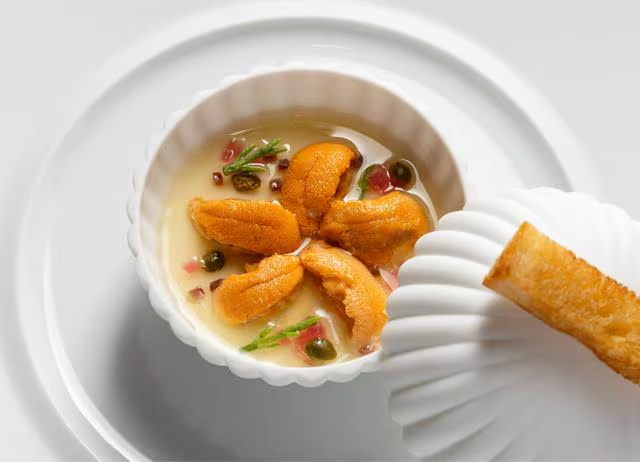
Marrow has been around forever, but it only became a staple of Western restaurant menus after the British chef Fergus Henderson popularised his version, in which he oven-roasted the marrow and served it with a little sea salt, sourdough toast and a parsley salad. Anthony Bourdain fell in love with marrow, wanted it to be his last meal (which, sadly, it wasn’t) and championed Henderson’s style of cooking in the US. American chefs began doing even more interesting things with marrow, and at New York’s three-Michelin-starred Le Bernardin, Eric Ripert (who is, of course, French) paired it with sea urchin, a marriage made in heaven. I thought it would be hard for an Indian version to be as delicious until I had the marrow at London’s Hoppers. The Hoppers version is called Bone Marrow Varuval. South Indians can argue over whether it is actually a Varuval (I think not, but what do I know?) but Karan Gokani, the charismatic chef and food writer who runs Hoppers, has a very good recipe for it in his Hoppers: The Cookbook. Gokani calls it “the most popular curry at the restaurant. I reckon over the years we have had as many guests visit us for this dish as we have for our namesake hoppers”. The answer was obvious if you thought about it. By the time marrow became a global craze, the anti-beef frenzy had started in India. You couldn’t do much with goat marrow (best for Nalli Nihari etc), which was too small. The real thing remained a problem.
Henderson’s version is still one of my favourite things to eat, though when I interviewed him about it in 2012, he was modest enough to give the credit to Rowley Leigh, another influential British chef whose ideas had influenced the dish. The best bone marrow I had outside of the West was at 100 Mahaseth in Bangkok where the charcoal roasted version with perilla seeds became the signature dish of the chef Chalee Kader.
The first Indian chef I know who got around that problem was Hussain Shahzad at Mumbai’s O Pedro. This was long before Hussain became a superstar with Papa’s, and he was hardly ever written about in those days. Hussain had the bright idea of using buffalo marrow, which offended nobody’s religious sensibilities. And O Pedro, which was already my favourite restaurant in Mumbai, became my regular marrow haunt. Now it’s not difficult to find great marrow dishes. At Restaurant Chef Pillai in Cochin a Malayali spiced-marrow dish is the star of the menu. It would be tempting to wonder if the eponymous chef-owner stole the idea from Hoppers, but the truth is that Suresh Pillai was the original head chef of the Marylebone branch of Hoppers. He left London (where he had also worked with the Panjabi sisters for years) to come back to Kerala. He soon became the best-known chef in Kerala and created a vast foodie empire.
Western-style marrow dishes now appear on lots of menus, even if most chefs who cook Indian food are less willing to be as adventurous as Suresh and Hussain. Will Aghajanian does two completely different marrow dishes at his two Mumbai restaurants: The Table and Kasper’s. Both are extremely popular.
