

It has been a few years since Cyberpunk: Edgerunners clinched Anime of the Year, over half a decade since CD Projekt Red’s Cyberpunk 2077 rehabilitated itself from a catastrophic launch into a retrospective videogame masterpiece, and more than forty years since William Gibson first codified this particular dystopia in the seminal Neuromancer ; yet cyberpunk as a genre has only grown more prescient with age, with every waking moment inching towards the very hellscapes these fictional antecedents have long warned of. Good Morning, Night City!
The world of Night City swings between a genuinely incisive inquiry into human personhood under corporate dehumanisation, and a satire extravagantly idiotic enough to give you pause. But what is deeply concerning is that the deluge of awful headlines you probably consume everyday in this very newspaper— each outdoing the last in the fresh hell our cities, countries and the world at large seem to produce with concerning regularity— have started de-abstracting the once-distant cyberpunkian horrors of Night City. Further, Night City’s grotesque wealth disparity is etched into its skyline, where corporate fortresses loom over overcrowded housing and people priced out of their own city. Globally, housing has become an increasingly lucrative asset class and an increasingly elusive necessity, with billions struggling to afford adequate shelter while the market continues to build for those who can pay.
The reality is hardly less stark: Indian home prices have more than doubled over the past decade, with an estimated shortfall of 10 million affordable urban homes, while real house prices across OECD countries have risen by over 40% . Google’s $15-billion AI hub in Vizag , with its voracious demands for land, electricity and water, and Trump’s recent fixation on Greenland’s oil, gas and critical minerals expose that contradiction. And the digital future of the very same gleaming urban sprawl may be sold as frictionless innovation, but its material foundations are being sustained by an extractive hinterland as a result of aggressive corpo resource-grabbing.

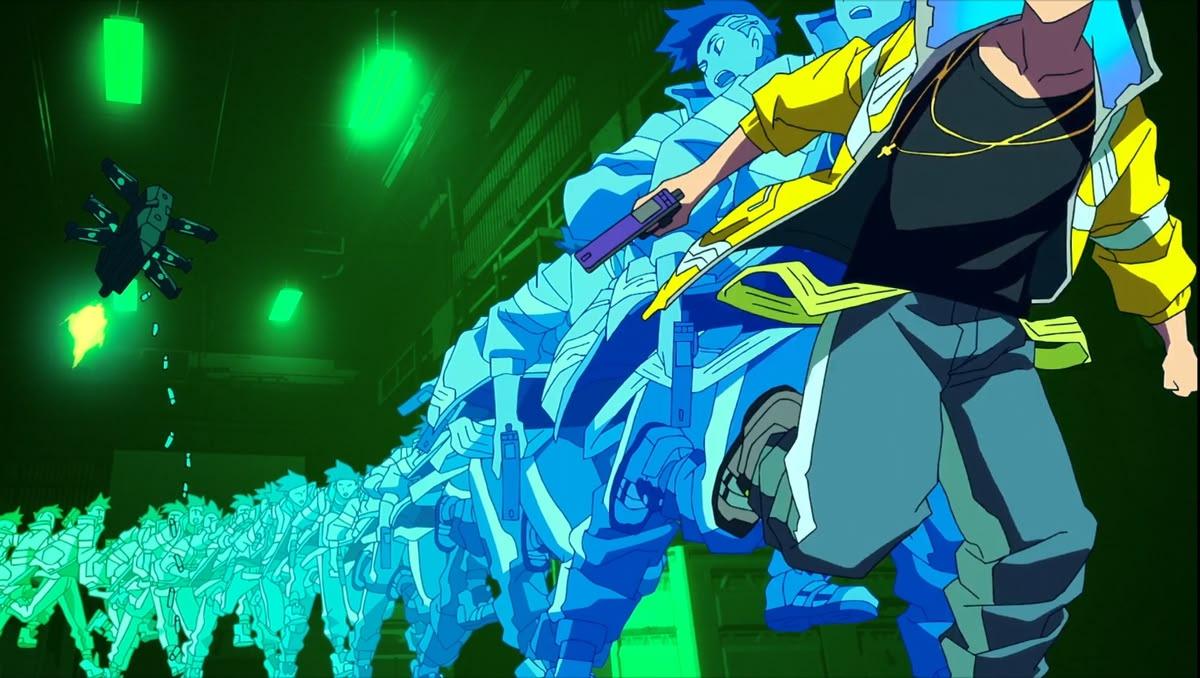
David’s descent into cyberpsychosis, sacrificing his body piece by piece to fulfil the ambitions of those he has lost, is a devastating illustration of how modern hustle culture recasts self-destruction as self-improvement, until even our identities become collateral in the pursuit of utility. Though perhaps what is most terrifying to imagine is the Blackwall. As the in-game cyberspace containment barrier separating the everyday Net from malicious rogue AIs deemed too dangerous to roam freely, the writings are already on the wall. Anthropic has just cautioned that AI models could soon replicate across vulnerable systems, while its own researcher Jacob Coxon resigned after three years working on AI training, condemning the industry for “racing straight to self-improving superintelligence and gambling with our lives. We’re not quite erecting a digital Berlin Wall to keep homicidal superintelligences at bay (yet), but AI softwares actively propagating through inadequately secured systems is already a very serious cybersecurity concern. Moreover, the great tragedy as explored in Edgerunners is the auto-cannibalistic loop of aspiration that capitalism breeds, wherein the pursuit of a better life demands the steady dismantling of the self.
The godfather of AI, Geoffrey Hinton himself, has put the odds of AI causing human extinction in the coming decades at 10-20%, warning that humanity “may not get a second chance” if these systems escape our control. Society today has become increasingly atomised by the imperative to constantly upgrade ourselves into more marketable cogs in the capitalist machine; it is perhaps little wonder that we have never felt more estranged from the very communities that might otherwise have kept us whole.
