
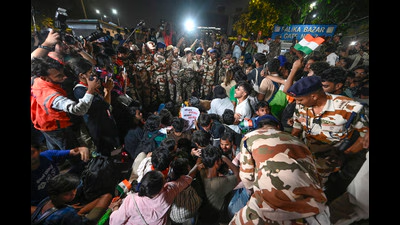
The Press Council of India (PCI) has issued guidelines for journalists covering protests and demonstrations, emphasising professional neutrality, crowd safety, ethical reporting and coordination between newsrooms and reporters in the field.
Emphasising professional neutrality, the council has advised journalists against participating in demonstrations, taking sides, provoking confrontations or interfering with protesters, counter-protesters or police. Media personnel should remain respectful, follow police orders and comply with lawful instructions issued for immediate safety, while calmly asserting their press status when necessary. On crowd safety, journalists have been advised to maintain a reasonable distance from confrontations, particularly when tensions escalate or police action is anticipated. They should avoid attaching cameras or recording equipment to police barricades, vehicles or other equipment in ways that obstruct movement or cause damage. The guidelines also call for careful movement through crowds and continuous assessment of potential risks. The guidelines recommend carrying an emergency kit containing basic first-aid supplies, essential medication, drinking water, high-protein snacks, a flashlight, a washcloth or hand towel, and eye protection or goggles. Protective headgear and body armour may be considered depending on the assessed threat. Journalists have also been cautioned against touching or moving tear-gas canisters, flash-bang devices or smoke grenades. On reporting standards, PCI has called for accurate, objective and impartial coverage, verification through multiple sources, and equal scrutiny of claims made by protesters, organisers, police and government authorities. Journalists should clearly distinguish verified facts from allegations and opinions, avoid disclosing sensitive police movements in real time, and protect the privacy of minors, injured people and other vulnerable individuals.
