
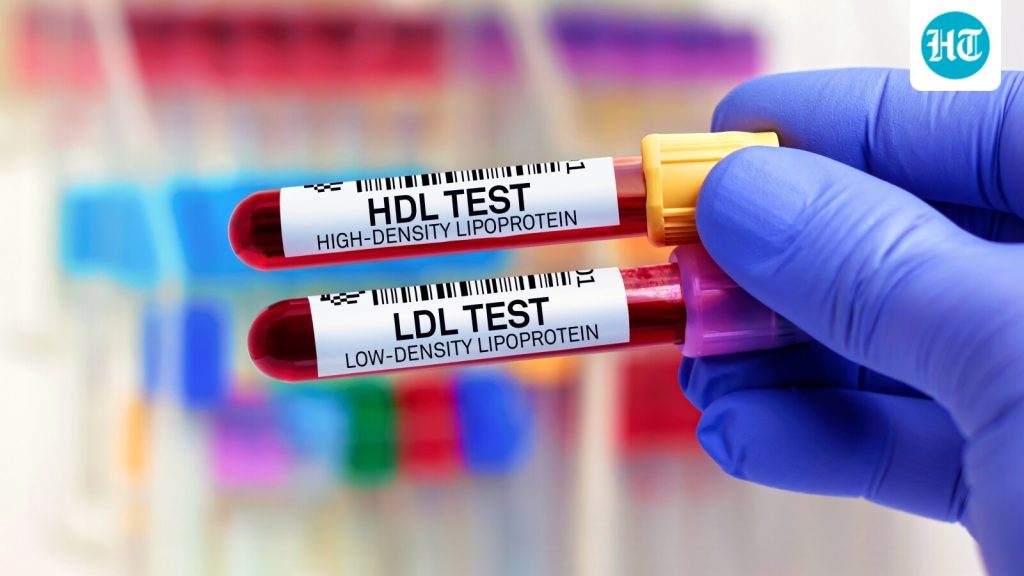
Cholesterol is often discussed in conversations about weight, diet, and heart health. Many people assume that if they are slim and physically active, their cholesterol levels must be healthy. However, that is not always true. You can have a healthy-looking body and still have high cholesterol, which may quietly increase your risk of heart disease over time. Your genes, eating habits, physical activity, certain medical conditions, and hormonal changes can all play a role. So, should thin people worry about high cholesterol, and what can they do to manage it? Dr Punya Pratap Kujur, Consultant Cardiologist, Gleneagles Hospital, Parel, Mumbai, explains the possible causes and ways to protect your heart.
Because cholesterol levels depend on more than your weight, this is.
Yes. Being slim does not automatically mean your cholesterol levels are healthy. people with a lower body weight can also have high LDL, commonly called bad cholesterol While excess body weight can increase the risk of unhealthy cholesterol levels. This means you cannot judge your heart health simply by looking at your body shape or checking your weight.
Cholesterol levels are influenced by several factors, including genetics, diet and underlying health conditions, according to Dr Kujur.
1. Genetics and family history
Sometimes, high cholesterol runs in families. A condition called familial hypercholesterolemia can cause very high LDL cholesterol levels, even in people who are slim and otherwise healthy. If close relatives have high cholesterol or develop heart disease at a young age, discuss cholesterol screening with your doctor. Your food choices can affect cholesterol regardless of your weight. Regularly consuming foods high in saturated fat, such as butter, ghee, fatty meat and certain processed foods, can raise LDL cholesterol. A balanced diet rich in vegetables, fruits, whole grains, pulses and other fibre-rich foods can support healthier levels. Being thin does not necessarily mean you are physically active. Spending long hours sitting and getting little exercise can affect your overall cardiovascular health and blood lipid levels. Regular movement, including brisk walking, cycling or other activities you enjoy, can help improve heart health. Certain medical conditions can contribute to high cholesterol. “Diabetes can affect blood lipid levels, while an underactive thyroid can raise LDL cholesterol. If your cholesterol is unexpectedly high, your doctor may recommend tests to check for underlying causes,” explains Dr Kujur. Smoking damages blood vessels and can lower HDL, or good cholesterol. Excessive alcohol consumption can also raise triglyceride levels, another type of fat found in the blood. Avoiding tobacco and limiting alcohol can support better cardiovascular health. “Hormonal changes, particularly during menopause, can affect cholesterol levels. LDL cholesterol may rise while HDL cholesterol may fall. Usually, no. High cholesterol rarely causes noticeable symptoms, which is why it is often detected through a blood test called a lipid profile. Some people with inherited cholesterol conditions develop fatty deposits around their eyes or tendons, but these signs are not present in everyone. This highlights why identifying inherited high cholesterol matters, even in people who are not overweight. Dr Kujur recommends focusing on everyday habits that support heart health: If lifestyle changes are not enough, your doctor may prescribe cholesterol-lowering medication based on your LDL levels and overall cardiovascular risk (Disclaimer: This article is for informational purposes only and is not a substitute for professional medical advice. Always seek the advice of your doctor with any questions about a medical condition.)
Therefore, even someone who has maintained a stable weight and healthy routine may experience changes in their cholesterol levels over time,” says Dr Kujur. Because of persistently elevated LDL cholesterol, research published in American Journal Of Epidemiology showed that people with familial hypercholesterolemia face a substantially increased risk of coronary heart disease.
