
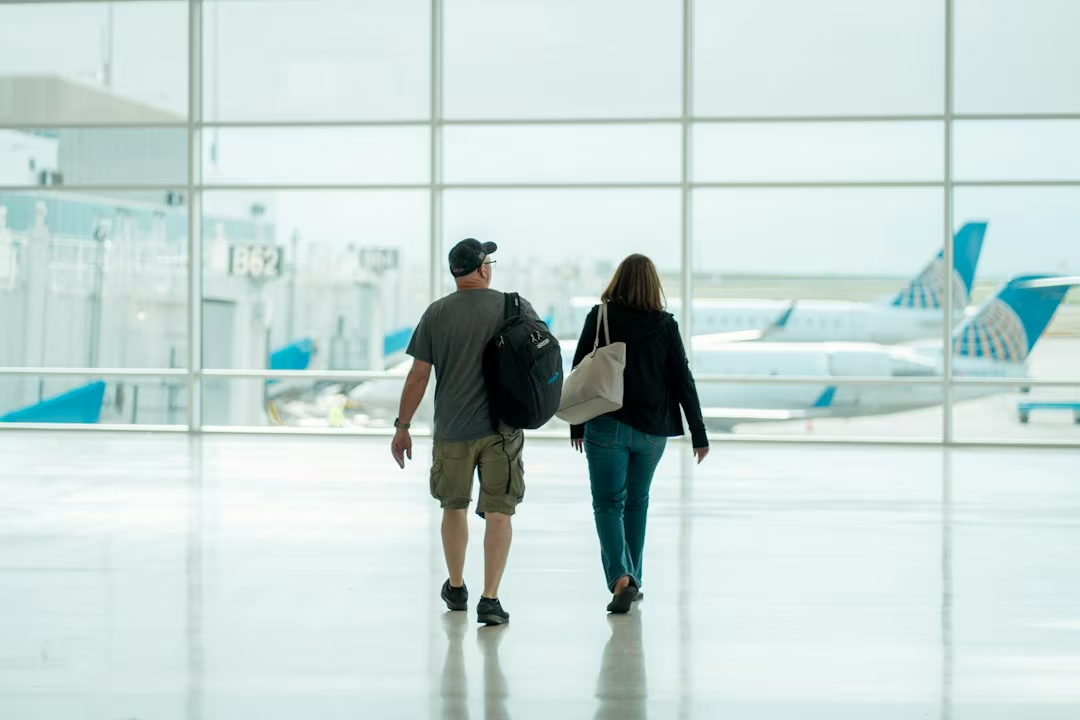
Spending 14 hours in the air can take a toll on your sleep, hydration, energy levels and comfort, but a few smart choices before and during the flight can help. A long-haul flight doesn’t have to leave you feeling like you need another holiday to recover from it. Bernard Corraya, General Manager (India), Wego, shared tips on how to make the journey more manageable.
Bernard Corraya highlighted that adjusting sleep and meal timings before departure can help reduce jet lag. Once onboard, set your watch to the destination’s local time. Long-haul flights can leave your body dehydrated. Bernard advises drinking water regularly, as aircraft cabins have low humidity. Walk around the cabin when permitted and perform simple ankle and leg exercises while seated. Use an eye mask, earplugs, or noise-cancelling headphones, but avoid forcing sleep if it will make adjusting to the destination harder.
Because both can interfere with sleep and worsen dehydration, limit excessive alcohol and caffeine.
“The CDC recommends moving the legs frequently and walking every two to three hours during long-distance travel to help reduce the risk of blood clots,” highlighted Bernard.
For long-haul flights, seats make a huge difference. An aisle seat makes it easier to stand, stretch, and walk during the flight, while a window seat may offer more uninterrupted sleep.
