
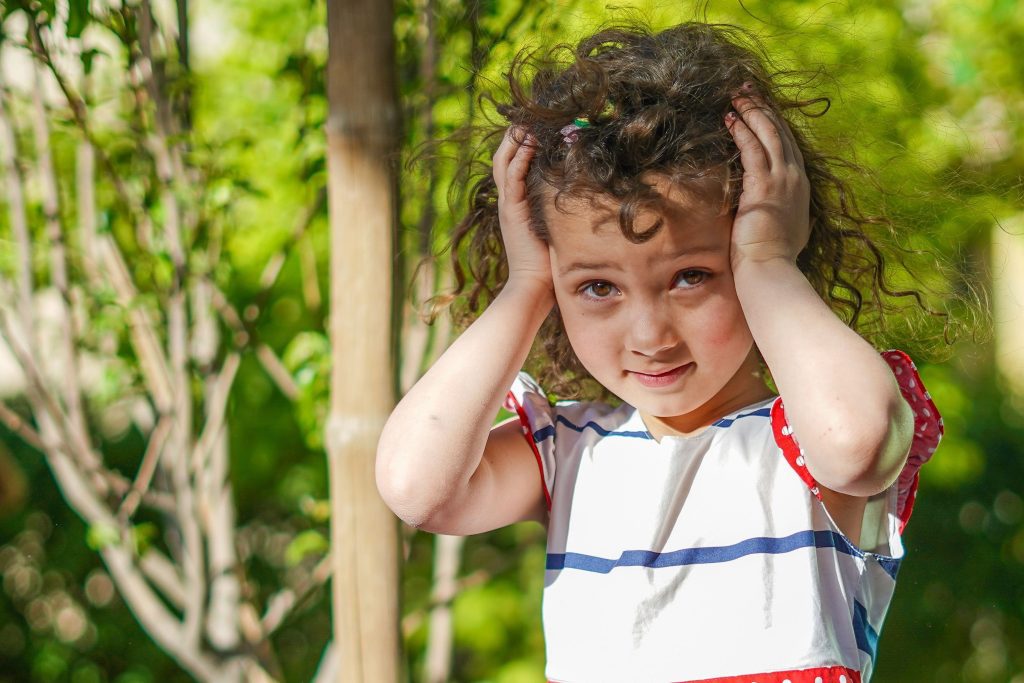
Bullying is more than a playground problem. As neurologist Dr KK Jindal explained, a child’s brain is still developing, and when stress continues for weeks or months, it can quietly interfere with sleep, concentration, memory and the ability to manage emotions. It can also show up through physical symptoms.
That’s why lasting changes in behaviour should be taken seriously. He shared warning signs that parents should look out for in children, and the steps to be taken when bullying is affecting a child’s mental health, with HT Lifestyle. As per Dr Jindal, a child who suddenly pulls away from family and friends, becomes more irritable, seems afraid all the time, or loses interest in hobbies they used to enjoy may be experiencing emotional distress. Other signs to watch for include: There are a number of steps parents can take when they suspect that their child is being bullied. The ones shared by Dr Jindal are presented as follows. The first step is simply to notice. One difficult week can be normal, but a pattern of changes deserves attention and should not be dismissed as “just a phase. “Choose a quiet moment when nobody is rushed, ask open questions, and let the child speak without interrupting or suggesting that they could have handled the situation differently. Most importantly, children should be reassured that being bullied is never their fault,” shared the neurologist. Keep a note of what happens and when, then speak to the school and work with teachers to make the environment safer.
It is best to avoid approaching the other child or their parents directly, as this can sometimes make the situation worse, according to Dr Jindal.
He has over 26 years of expertise in diagnosing and treating complex neurological disorders. At home, steady routines can help more than expected, pointed out the neurologist. Regular meals, adequate sleep, some physical activity and quality time together as a family can provide children with a sense of stability and support. Dr Jindal noted that if the changes continue or begin to affect daily life, seeking professional help for an assessment is important. “If a child ever talks about hurting themselves, professional help should be sought immediately. Note to readers: This article is for informational purposes only and not a substitute for professional medical advice. Always seek the advice of your doctor with any questions about a medical condition. Dr K K Jindal , MBBS, MD, DM, is the director of neurology at the CK Birla Hospital, Delhi. He has extensive experience in stroke management, epilepsy, neurocritical care, movement disorders, headache management, and neurorehabilitation.
“Severe or repeated headaches, seizures, fainting spells, or any change in alertness or awareness require neurological evaluation,” shared the neurologist.
