
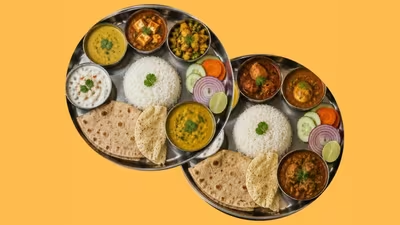
The cost of a home-cooked vegetarian thali rose 10% year-on-year in September, while a non-vegetarian thali became 6% more expensive, as higher onion, edible oil, rice and LPG prices pushed up costs of household food, according to Crisil Intelligence.
“The near-term outlook remains firm, as seasonal supply constraints are likely to keep food costs under pressure.
“The cost of home-cooked vegetarian (veg) and non-vegetarian (non-veg) thalis rose 10% and 6% on-year, respectively, in September, with food costs remaining elevated amid tightening supplies of key staples and higher input costs,” said Crisil Intelligence director Pushan Sharma. Onion prices could remain elevated in the first half of October owing to delayed kharif arrivals, before easing gradually towards the end of October as fresh kharif arrivals improve market availability,” Sharma said. “While the reduction in the basic customs duty on crude palm oil from 10% to 5% in late September is expected to lower landed costs by around 5%, robust festive-season demand is likely to keep prices elevated,” Sharma said. “Overall, while fresh crop arrivals should provide some relief later in the season, tight inventories, weather-related risks and firm global commodity prices are likely to keep thali costs elevated in the near term,” Sharma said.
Crisil attributed the onion price surge to tight rabi stocks and a 5-6% decline in production. June rainfall was 40% below the long-period average, delaying kharif transplanting and fresh arrivals. Because of lower acreage and weaker yields, prices of rice rose 8% on-year in September, with Crisil expecting paddy production to decline 5-6%.
Seasonal festive demand is expected to add to the pressure in the first half of October. Rice and edible oil are also expected to keep food costs elevated. Steady domestic consumption and export demand are likely to provide further support.
