
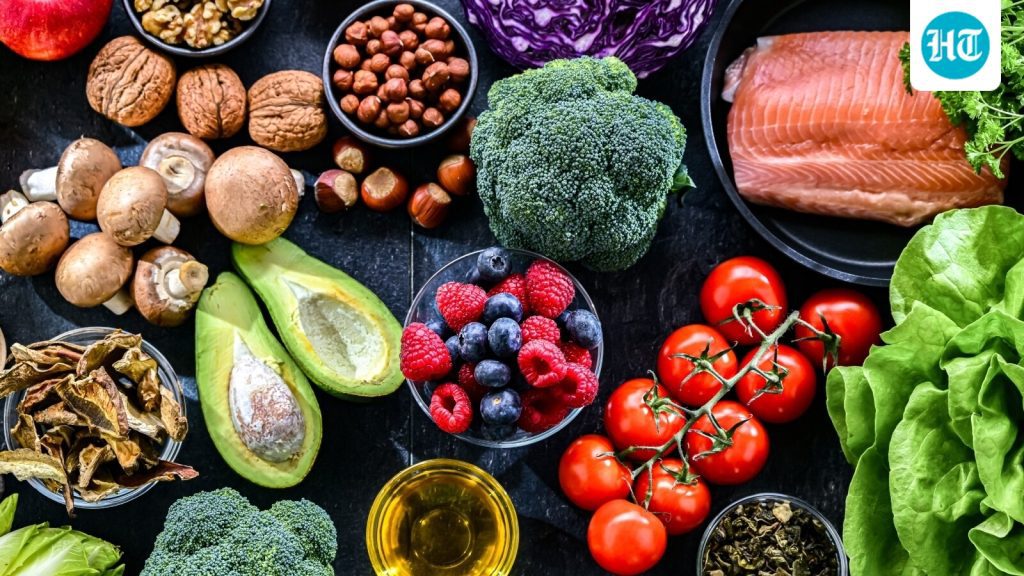
When it comes to weight loss, what you eat matters, but the quality of your overall diet matters too. An anti-inflammatory eating pattern focuses on vegetables, fruits, whole grains, legumes, nuts, seeds, healthy fats and other minimally processed foods. These foods provide fibre, antioxidants and healthy fats that can support fullness and metabolic health. Research on Mediterranean-style diets, which share many of these principles, has also linked the pattern with lower levels of inflammatory markers. However, an anti-inflammatory diet is not a magic weight-loss plan.
Instead of eliminating entire food groups, an anti-inflammatory approach encourages a variety of nutritious foods. This can make healthy eating easier to maintain over time. No single food melts fat or causes weight loss on its own. A consistent eating pattern built around vegetables, fruits, whole grains, legumes, healthy fats and adequate protein can support weight management while improving overall diet quality. Portion sizes and total calorie intake still matter, so view an anti-inflammatory diet as a sustainable eating pattern rather than a quick-fix weight-loss diet.
A systematic review and meta-analysis of 22 randomised controlled trials found that Mediterranean-style diets had notable effects on inflammatory markers, including IL-6 and IL-1β. For example, omega-3-rich fish, nuts and olive oil are key components of Mediterranean-style diets, which have been associated with better cardiometabolic health.
An anti-inflammatory eating pattern provides a combination of fibre, healthy fats, antioxidants and other nutrients rather than relying on one “fat-burning” food. “Focus on the overall eating pattern rather than one particular food,” says Ansari.
