
India, Brazil and South Africa have expressed concern at “persistent attacks on multilateralism” and the continued escalation of tensions in West Asia and called for protecting civilians and civil infrastructure in line with international law and the UN Charter.
The three countries also expressed concern at the continued escalation of tensions in the West Asia and emphasised that actions outside the established frameworks of dialogue, diplomacy and international law “risk further undermining of regional peace, security and stability. The three ministers emphasised the need to protect civilians and civilian infrastructure in line with international law and the UN Charter, including respect for the sovereignty and territorial integrity of states in the region.
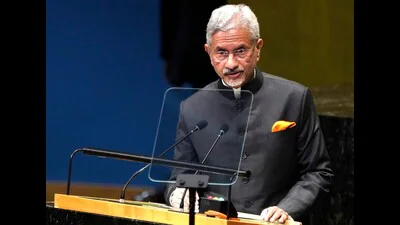
A joint statement issued after the meeting of external affairs minister S Jaishankar, Brazil’s foreign minister Mauro Vieira and South African foreign minister Ronald Lamola said the three sides expressed growing concern over the “persistent attacks on multilateralism and grave violations” of the UN Charter and rejected the use of force against the territorial integrity or the political independence of any state. They also encouraged increasing efforts, through dialogue and diplomacy, to restore peace and expressed concern at renewed threats of military action that will “only serve to jeopardise ongoing dialogue, mediation and confidence-building efforts”. The Global South should act as a driver for positive change amid deepening geopolitical tensions, rapid economic downturns and technological changes, protectionist measures, migratory challenges and climate change, the three countries said.
The ministers further called on all parties to exercise restraint and refrain from actions that may contribute to further escalation, and to create conditions conducive to dialogue and diplomacy towards a long-term understanding. The conflicts in West Asia have a negative spill-over effect on the Global South, especially for energy and food security, and cause further inflationary and fiscal pressures. The ministers also sought the unimpeded flow of global trade, supply chains and energy, safety and security of seafarers and merchant vessels, and the freedom of navigation. The three countries emphasised the need for developing countries to strengthen efforts to promote dialogue and consultations for more just and equitable global governance amid contemporary realities of the multipolar world.
Multipolarity can expand opportunities for developing countries to enhance inclusive, sustainable and equitable economic globalisation and cooperation, the joint statement said.
