
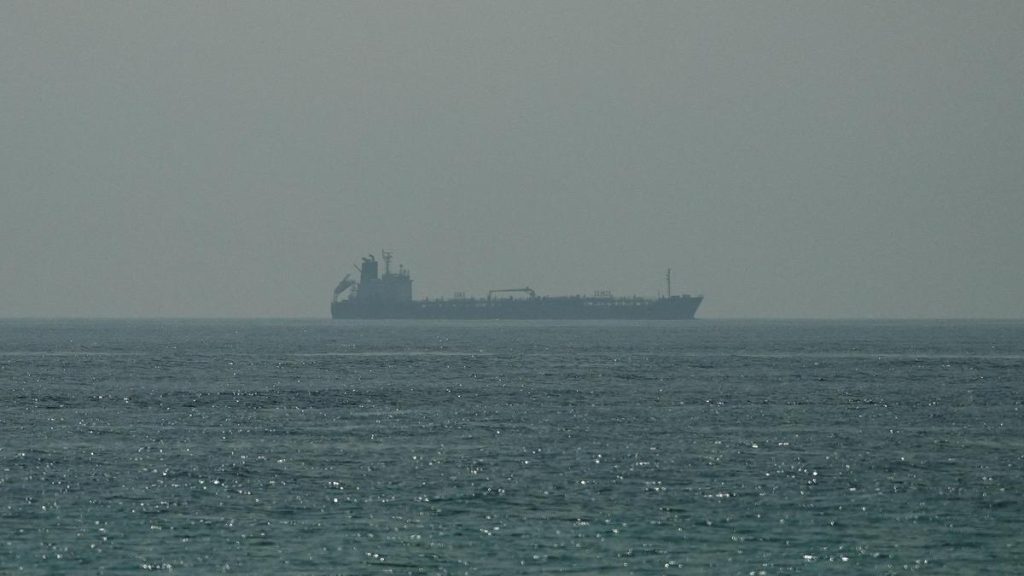
Ship-to-ship transfers in the Gulf of Oman for West Asian oil from inside the Strait of Hormuz have reached their limits after Saudi Arabia diverted exports from the Red Sea, adding to shipments from other producers, trade sources and analysts said.
That has reduced ship availability, raising shipping costs and increasing the time cargoes are on the water before reaching refineries.
The increasing amount of Saudi exports this month requires more supertankers to shuttle crude through Hormuz to conduct cargo transfers, they said.
Bahri, Saudi Arabia’s national shipping company, did not respond to a request for comment, while Saudi Aramco declined to comment. State-run Saudi Aramco has sold more than 60 million barrels of crude for STS transfer off Sohar, Oman, this month and next since its East-West Pipeline was attacked on September 13, halting oil exports from the Red Sea port of Yanbu. Saudi crude exports via Hormuz were on track to rebound to 3.6 million barrels per day (bpd) in September, up from about 900,000 bpd in August, data from analytics firm Kpler showed. Nearly 3 million bpd increase in Saudi exports from Hormuz would require between 36 and 40 more very large crude carriers, Kpler analyst Panagiotis Krontiras said. Each VLCC can carry 2 million barrels of oil.
The ramp-up in Saudi volumes comes on top of increasing exports from other Gulf suppliers such as Iraq and the United Arab Emirates using STS services outside Hormuz, creating queues to access equipment like tugboats and labour, traders and analysts said.
