
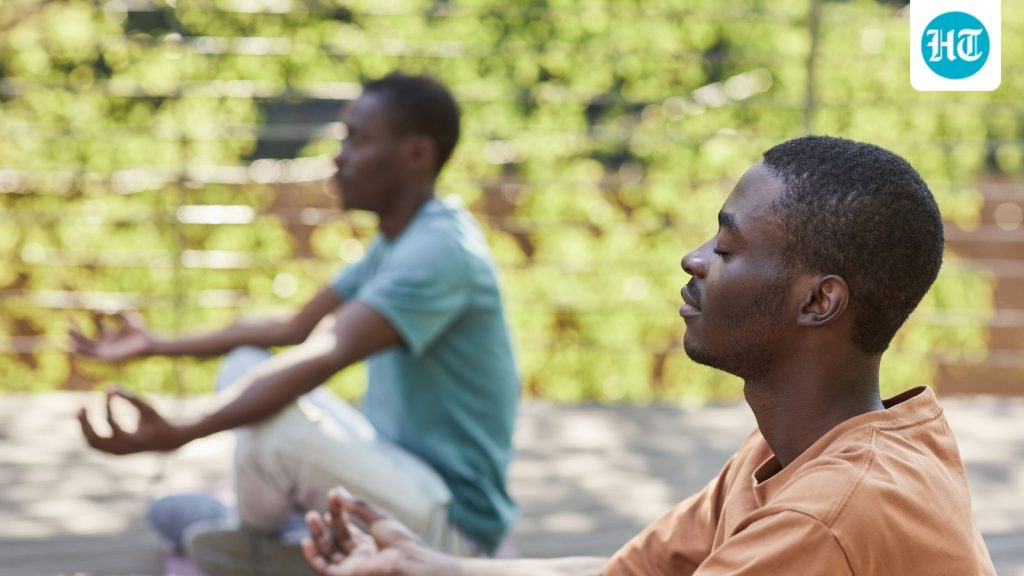
Meditation and mindfulness often appear in conversations about better focus, stress management and mental wellbeing. But the practices may not feel calming for everyone. A recent report by The Atlantic has renewed attention on the difficult experiences that some people report during or after meditation.
Researchers have reported symptoms such as anxiety, insomnia, depersonalisation and derealisation. The report follows the work of psychologist and meditation researcher Willoughby Britton, who has studied meditation-related challenges for years. Her research has helped bring attention to experiences that can include anxiety, sleep problems, emotional distress and feelings of disconnection. You may expect meditation to quiet your mind. But when you sit in silence, you can also become more aware of thoughts, emotions or physical sensations that you normally avoid. Britton’s work suggests that some practitioners experience unwanted effects. These experiences do not mean meditation harms everyone, but they show why researchers continue to study how people respond to different practices. Also Read Meditation can have a dark side, experts say: How some people have difficult experiences with mindfulness
Britton’s research has examined how factors such as the type of practice, the amount of meditation and a person’s background can influence difficult experiences.
Experiences among people who took part in intensive meditation practices and retreats, according to the Atlantic report.
You should therefore avoid assuming that more meditation will automatically bring more benefits. Also Read Tara Brach’s Buddhist-inspired mindfulness practice can help you overcome stress. Here’s how RAIN works No. The evidence does not support treating meditation as harmful for everyone. Research continues to find benefits from mindfulness-based practices, while studies also show that some people report unwanted experiences. Also Read A Buddhist monk shares simple mindfulness practices that go beyond meditation If you notice persistent anxiety, sleep disruption, panic attacks, feelings of disconnection or other distressing changes after starting meditation, do not assume you must simply push through them. You can reduce or pause the practice and speak with a qualified healthcare or mental health professional. Britton’s work also stresses the importance of better support and trauma-informed approaches for people who experience difficulties related to meditation. You do not have to force yourself to sit longer or meditate more often to prove that you are progressing. Mindfulness can involve paying attention to your experience with curiosity. If a practice consistently makes you feel worse, that response deserves attention too. Disclaimer: This story discusses research and expert perspectives on meditation-related experiences. It does not suggest that meditation is unsafe for everyone. Reader’s discretion is advised.
