
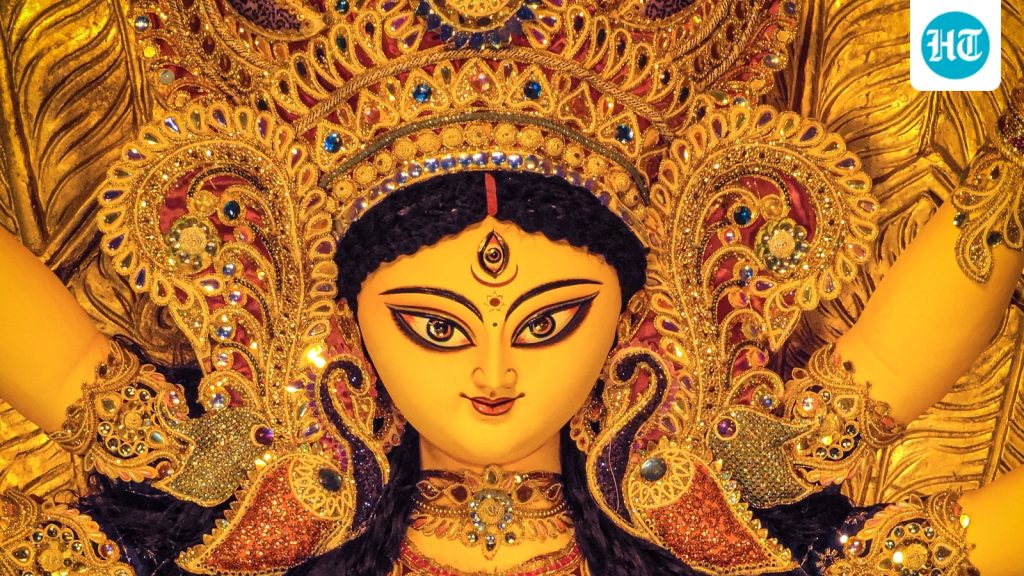
In a recent article published on the Isha Foundation website on September 18, 2026, Sadhguru states that the nine days represent different stages of human experience and three qualities that shape life. But why does the celebration continue for nine days? He connects these phases with Durga, Lakshmi and Saraswati.
Navratri means “nine nights” and is a Hindu festival that honours the Divine Feminine.
If you want to understand Navratri beyond rituals and celebrations, this interpretation gives you a way to look at each phase as part of an inner journey. Also Read Sadhguru on Navratri: What do the 9 days of Navratri mean for spiritual seekers?
What do the next 3 days represent?
Because of its association with Sharada, the goddess of learning, sadhguru says the October Navratri holds particular significance. The first three days focus on Durga, the next three on Lakshmi and the final three on Saraswati. He connects these three forms with tamas, rajas and sattva. In his explanation, these qualities represent different aspects of life, including inertia, activity and transcendence or knowledge. The first three days honour Durga and connect with tamas. Sadhguru describes tamas as the quality of the Earth and the foundation from which life emerges. For you, this phase can represent grounding and awareness of your physical existence. Sadhguru also encourages people at the Isha Yoga Center to spend time working with soil. Also Read Sadhguru on spirituality: Why does he say the inner experience matters more than belief? The middle three days focus on Lakshmi and rajas, which Sadhguru describes as activity and energy. This phase asks you to look at how you approach your everyday actions. Whether you work, clean your home or pursue a personal goal, you can give the activity your full attention instead of doing it half-heartedly. The final three days honour Saraswati and connect with sattva, which Sadhguru associates with knowledge, purity and the possibility of going beyond limitations. This phase turns your attention towards learning and inner exploration. Also Read Sadhguru on Spirituality: Do you really need a Guru to grow spiritually? After the nine nights comes Vijayadashami, the tenth day. Sadhguru describes it as a day of victory and connects it with the idea of blossoming into your full potential. You can use this final day as a moment to reflect on what you have learned, what you want to develop and what kind of person you want to become. Sadhguru’s interpretation presents Navratri as more than a festival calendar. It gives you three phases to reflect on: grounding yourself, bringing awareness to your actions and seeking knowledge or a deeper sense of yourself. These ideas belong to Sadhguru’s spiritual interpretation of Navratri. You can explore them through your own beliefs, traditions and practices without treating them as scientific explanations. Disclaimer: The article is for informational purposes only. Reader’s discretion is advised.
The nine days represent three dimensions of the feminine, according to Sadhguru. He says this can create a deeper awareness of the body and its connection with the Earth. Sadhguru says you can bring greater involvement into even simple tasks.
