
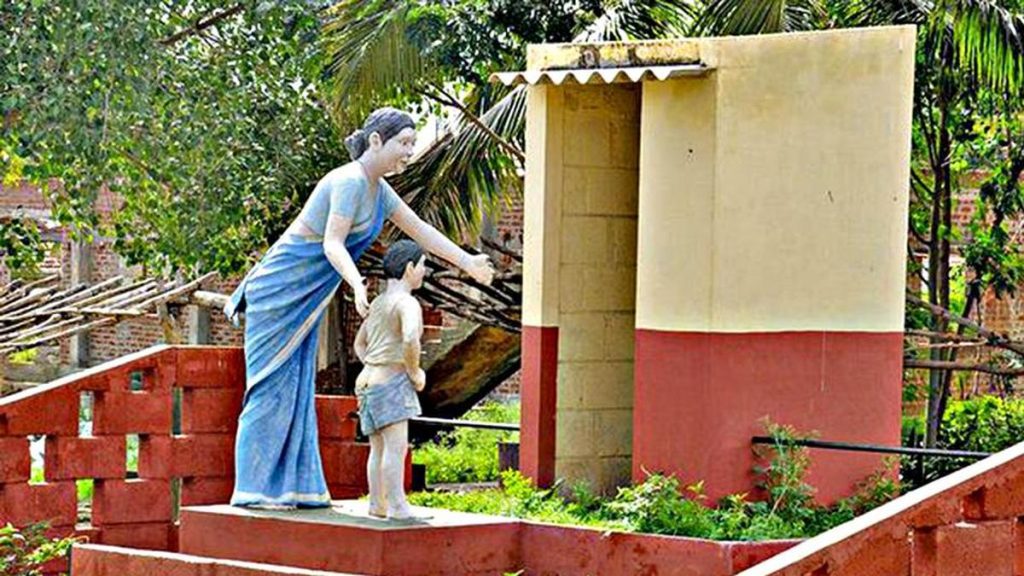
India had the highest number of children with no sanitation service in schools, with 50 million out of the world total of 244 million as of 2025, according to a new global report. Only Nigeria (34 million), Ethiopia (26 million), the Democratic Republic of the Congo (11 million) or Indonesia (8 million) had a comparatively large number of schoolchildren who had no access to sanitation service.
However, the report found that while gaps in basic water coverage persists between school levels and between rural and urban areas, this did not apply to India, Cambodia and Fiji. The WHO/UNICEF report that is part of the Joint Monitoring Programme (JMP) for Water Supply, Sanitation and Hygiene (WASH) shows that globally, 362 million children still had no hygiene service at their school in 2025. Of these, 20 million were from India. As of 2025, there were 258 million children who still had no drinking water service at their school. The number of children from Indian schools made up 12 million of this number or about 1 out 20 children in the world. The report shows that India has made a big progress in basic drinking water services in 2025 and average rates of change between 2015 and 2025.
India, Panama, Syrian Arab Republic, Togo and Tuvalu increased coverage by over 4% per year, “demonstrating that rapid progress is possible”.
