The story so far: Weeks after catastrophic floods hit Nepal , authorities are scrambling to mount a relief effort with over 6,000 people still missing and death toll climbing to 1,410. Aid operations in the disaster-hit country rank among the most challenging for the World Food Programme (WFP), its head said on Thursday (September 17, 2026).
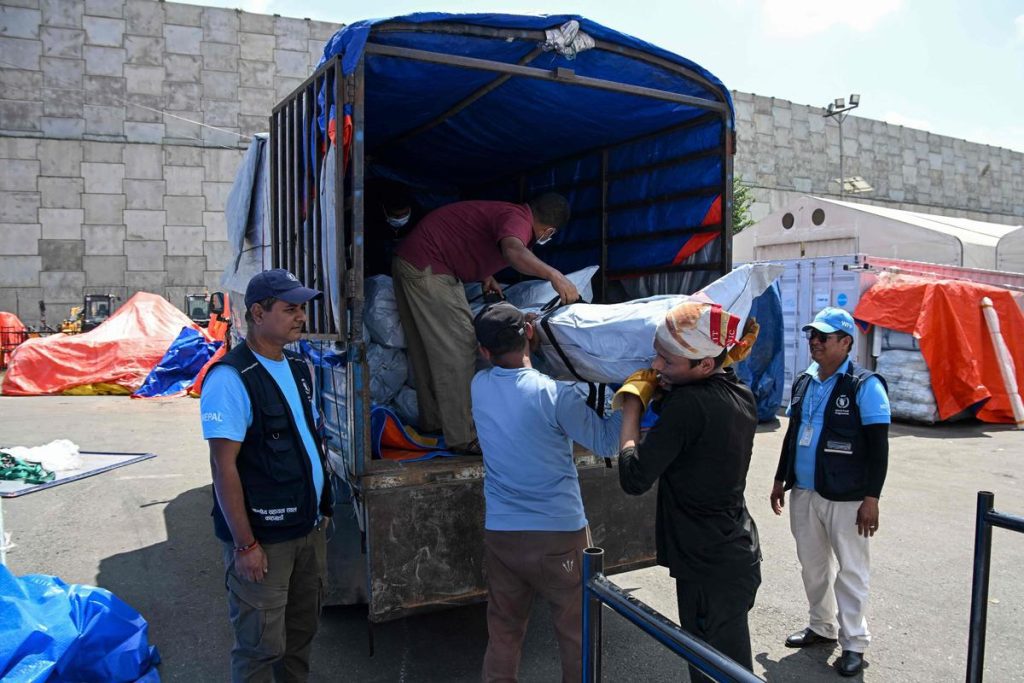
Workers unload emergency relief supplies from the United Nations World Food Programme (WFP) for flash flood victims at Tribhuvan International Airport’s cargo area in Kathmandu on September 17, 2026. | Photo Credit: AFP The flooding and landslides have displaced several people and have disrupted access to essential services. Around 40 bridges have been damaged or destroyed and the risk of flooding persists making the terrain unstable. The WFP, a branch of the United Nations which is committed to ending hunger and has been awarded the Nobel Peace Prize, provides relief in conflict and disaster zones. Mr While speaking about the Nepal situation. Lodhi cited the profound access challenge in the country. Several areas in the epicenter of the disaster remain cut off. A largely rural country, many people in Nepal live in mountain districts. The flash flood, reportedly triggered by a Himalayan glacial mountain collapse, wiped away key access points. Mudslides and rubble have also hampered relief efforts. Rasuwa and Nuwakot remain among the worst-affected areas. In Rasuwa, several communities are only reachable through air travel.
Riaz Lodhi, head of the WFP in Nepal, said that the August 26 flash floods and its aftermath were among the “top three most challenging disasters” the agency had faced. “We have seen disasters, we have seen earthquakes, we have seen disasters caused by floods, we have seen war situations, conflicts,” he told AFP . “We have had access challenges in many of these situations”, he added, but said the challenges in Nepal were extreme. The WFP has said that the main operational constraint has been physical access to affected people. “This is a very unique access challenge where, in some places, the only way to reach people is by helicopter,” Mr. Lodhi said.
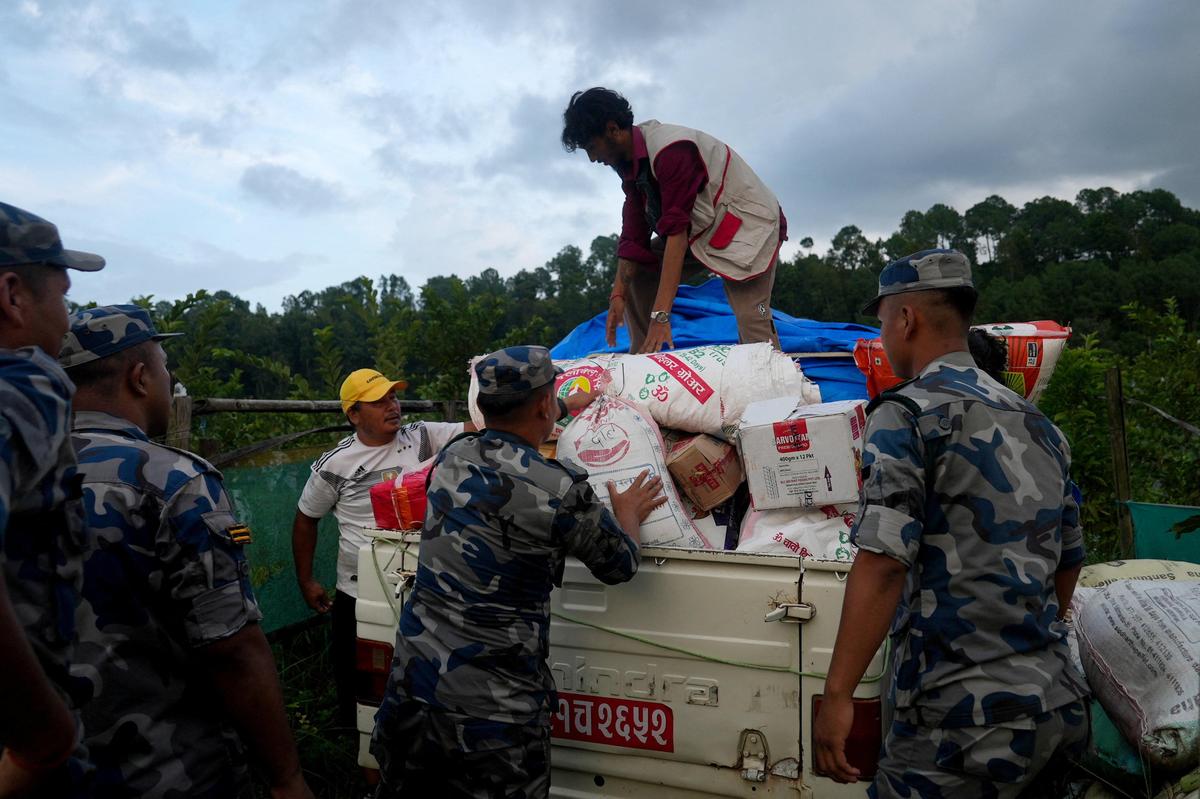
Members of the Armed Police Force of Nepal unload and prepare relief goods, including food, medicine and sanitary products, donated by local nonprofit Hami Nepal, to be transported via drone to stranded residents hit by deadly flash floods and mudslides across the Trishuli River in Devighat, Nuwakot district, Nepal, September 8, 2026. REUTERS/Joseph Campbell | Photo Credit: Reuters Recalling the use of mules, yaks and porters during the 2015 earthquakes in the Himalayan country, he said innovation and technology has ensured that food reaches those in need in five to 10 minutes. The country has estimated that the reconstruction bill will amount to $4.78 billion.
Apart from being an expensive endeavor, the time taken to reach these places has also now increased. Rebuilding the necessary infrastructure is expected to take several weeks. The Nepal government is working with the UN to help those affected by the deadly disaster. Relief supplies are being dispatched continuously by road and air while temporary bridges are being set up where necessary. Army Personnel are also using temporary zip lines to transport people from one river bank to another. These drones can reportedly carry up to 100kg, depending on the operating conditions. Mr. Mr. The road to rebuilding Nepal is a long one. The access challenges are going to remain even as Nepali leaders say that the country is going to need long-term support. As climate change accelerates, concerns mount over safety of these regions in the Himalayan belt. Experts have called for stricter norms, assessing infrastructure for multiple disasters, focusing on development in less-dangerous areas and early warning systems.
The WFP has said that it is using drones to provide food to affected people. Lodhi has called the technology a “game changer”. Lodhi said that WFP had not used drones at this scale before. The WFP has said that it expects to provide food relief for four to six months in Nepal. “In living memory, we haven’t seen a mountain hazard event like this for a very, very long time,” Kamal Kishore, the Head of the UN Office for Disaster Risk Reduction said.
Flash floods last year in the same region too had caused extensive damage and claimed nine lives.