
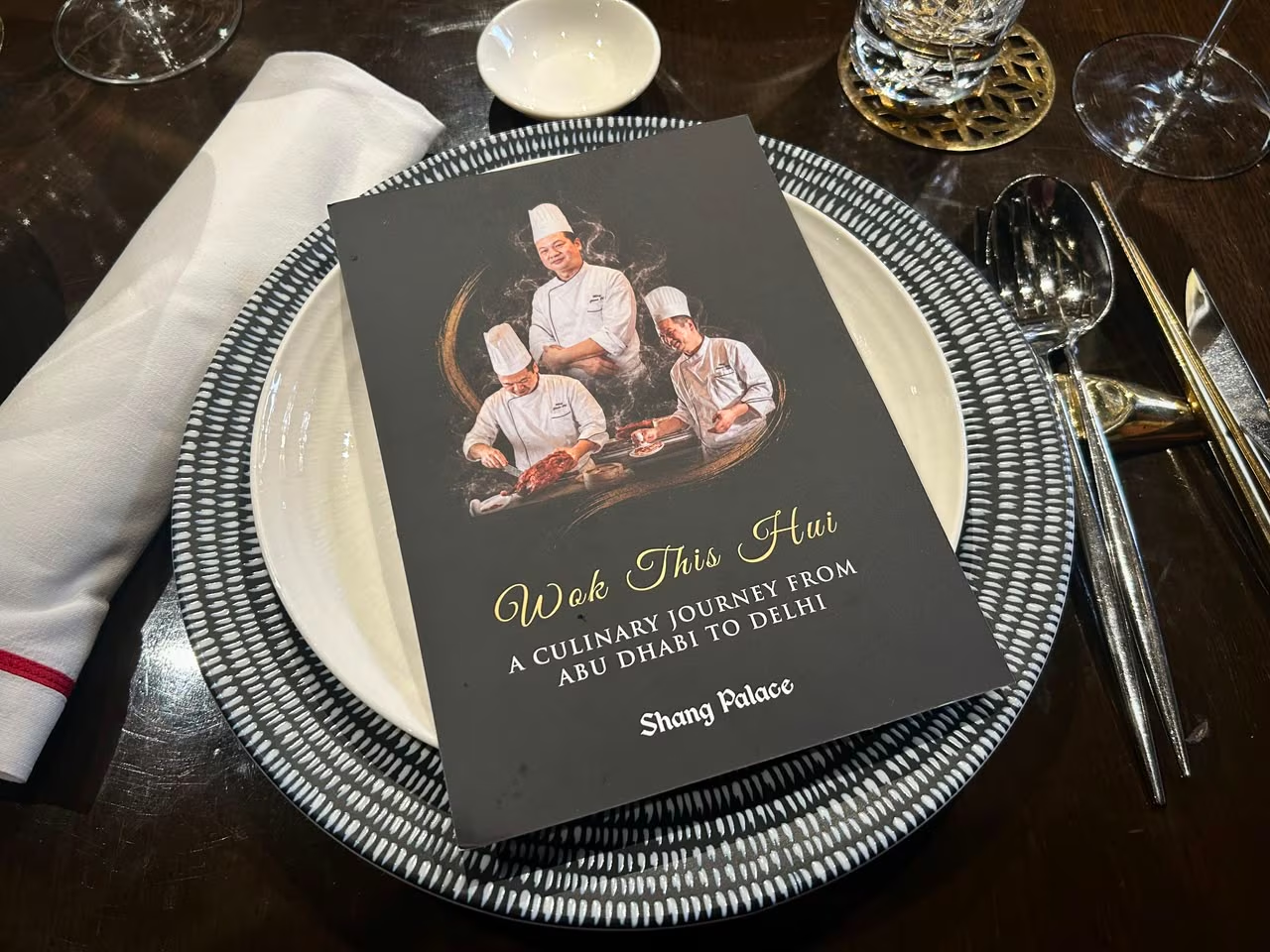
Last week, I went to have dinner at Shang Palace in Shangri-La Eros, New Delhi, for an exclusive preview of a limited-time culinary pop-up — Wok This Hui — hosted by the talented chef Luo Ming Hui.
Chef Luo Ming Hui is the Chef de Cuisine at Shang Palace, a signature Chinese restaurant at Shangri-La Claryat Al Beri, Abu Dhabi . With over a decade of international experience across China, Abu Dhabi and Mauritius, chef Hui is highly skilled in Cantonese and Sichuan cuisines. In India, whenever Chinese cuisine is mentioned, you are either thinking of the spicy Indo-Chinese (or more specifically, Punjabified ‘Chinese’) or Peking Duck. But there is more to the cuisine, and that’s what chef Hui aimed to do at the Shang Palace pop-up. From juicy, crispy duck and Hainan-style fried rice to dried scallop chicken soup and pan-seared lamb chops, each dish was not only a glimpse into chef Hui’s cooking but also a taste of what elevated yet simple Cantonese and Sichuan cuisine could taste like. Cantonese cuisine is often described as being about restraint—letting the quality of the ingredient speak for itself—while Sichuan cuisine is much more assertive with spice, aroma and seasoning. When asked how he approaches these two cuisines when designing a menu, chef Hui simply stated that for him, Cantonese and Sichuan cuisine are very different, but it is also about understanding how to get the best out of ingredients. With Sichuan cuisine, I enjoy bringing in more intensity through ingredients like Sichuan pepper and doubanjiang, which add aroma, warmth and depth,” he explained. And each dish reflected that philosophy. There was no performance, just a journey through flavours and textures. I was served: Crispy duck with plum sauce; jelly mushroom salad with pomelo and goji berry; dried scallop chicken soup; lamb taro puff; sea bass and chenpi dumpling; truffle with mushroom dumpling; spicy edamame dumpling; crispy honey orange glazed jumbo lotus; crispy prawn with mustard sauce; wok-fried lobster cheese with E-fu noodle; sizzling chicken clay pot; pan-seared New Zealand lamb chop with black pepper sauce; Hainan-style vegetable rice; and Hong-Kong style shrimp wonton lomin. And the meal ended with traditional mango soup. Working with both cuisines gave chef Hui the chance to strike a balance between them rather than letting one overpower the other. But does he compromise on ingredients or techniques when cooking a cuisine in a country with a different palate, or does authenticity trump everything else?
“In Cantonese cooking, I rely on precise heat control, good stock-making and simple, clean techniques so that the freshness and quality of the ingredient can really speak for itself. Because authenticity doesn’t mean you can never adapt a dish, in response, the chef stated that while being authentic to the cuisine is important, he also believes in respecting the local context,.
“So you might have a delicate Cantonese seafood dish followed by something with the bold warmth and complexity of a Sichuan pepper sauce,” he added.
