
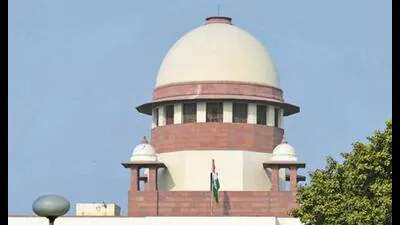
The Supreme Court on Thursday sought the Centre’s response to a plea raising important constitutional questions over the closure of 17 Delhi Metro stations during the July protests led by the Cockroach Janata Party (CJP), including whether a public utility can be shut without a specific statutory power or formal order.
The lawyer argued that while the police could regulate a protest on law-and-order grounds, they could not direct the closure of a public utility without statutory authority. Interchange facilities remained available at some stations. The 17 stations were shut in central Delhi in the wake of the CJP-led agitation at Jantar Mantar in July.
The court said it would therefore examine how the executive discretion was exercised in shutting down the stations.
“The police can regulate a protest, but they cannot issue orders directing a public utility to be shut down,” said the counsel, adding that there was a strong need for a standard operating procedure governing closure of Metro stations during protests. “Ordinarily, regulation of movement of vehicles is through directions issued by the Commissioner of Police or Superintendent of Police under the respective police laws,” said the bench while examining the source of the authorities’ power. The Delhi Metro Rail Corporation had cited “security reasons” while suspending entry and exit at stations including Rajiv Chowk, Patel Chowk, Central Secretariat, Mandi House, ITO, Delhi Gate, Indraprastha, Khan Market, Jor Bagh, Shivaji Stadium and the Supreme Court station.
The closures affected thousands of commuters and triggered a separate intervention by the Supreme Court after the Supreme Court Bar Association raised concerns about access to the court. Because of the disruption, on July 23, CJI Kant had said he would intervene if the issue was not resolved by lunchtime and directed that no adverse orders be passed against lawyers unable to appear.
