
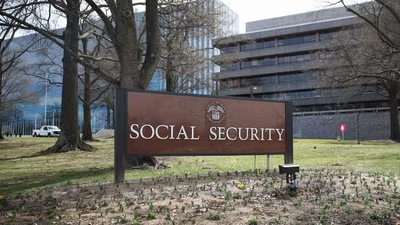
Social Security is set for some changes in 2027, but the final numbers are not out yet. The official changes, including the 2027 cost-of-living adjustment (COLA), are expected to be announced on October 14, after the latest Consumer Price Index (CPI) data is released.
Medicare eligibility is separate from Social Security’s full retirement age. The Medicare eligibility age remains 65, according to the SSA. So, the two major 2027 questions have different answers right now. The COLA could rise by about 3.5%, but that number is still an estimate and will be officially announced in October. The full retirement age, meanwhile, is currently 67 for people reaching age 62 in 2026. The retirement age should not be confused with the age when someone can first claim Social Security, which is 62. Until then, the 3.5% figure should be treated as a projection rather than a confirmed payment increase.
Because it will show the actual 2027 benefit increase, for retirees, the final October announcement will be important.
Claiming Social Security before full retirement age permanently reduces the monthly benefit. Waiting longer can increase the monthly Social Security payment . The current rule remains important for people planning when to claim benefits.
Social Security benefits already received a 2.8% increase in 2026. The Social Security Administration (SSA) said Social Security and Supplemental Security Income benefits for about 75 million Americans increased by 2.8% in 2026. The increase was smaller in 2025. Social Security and Supplemental Security Income benefits rose by 2.5% in 2025, according to the SSA. However, it is important to remember that 3.5% is only an estimate until the government announces the official number. Social Security’s COLA has averaged 3.1% over the past decade. This gives retirees a useful comparison for the projected 3.5% increase. The other major question is whether the full retirement age will change in 2027. People can start claiming Social Security retirement benefits as early as age 62. But claiming benefits at 62 does not mean a person will receive their full retirement benefit. People who delay claiming benefits beyond full retirement age can increase their monthly benefit until they reach age 70. For people reaching age 62 in 2026, the current full retirement age is 67. This means they generally need to wait until age 67 to receive their full scheduled retirement benefit, according to the SSA. There is no indication in the information provided that the full retirement age will suddenly increase in 2027.
The projected 3.5% increase for 2027 would therefore be higher than both the 2025 and 2026 COLAs. Because it affects how much of a person’s Social Security retirement benefit they can receive, full retirement age is important.
The reduction is applied for each month that a person starts receiving benefits before reaching their full retirement age, according to the SSA.
The biggest question for retirees is how much Social Security payments will increase in 2027. AARP is currently projecting a 3.5% COLA for 2027. A 3.5% COLA could mean about $73 more per month for retirees, on average. The 2027 COLA will not be officially confirmed until October 14. Social Security beneficiaries could see a 3.5% COLA increase in 2027, which AARP estimates could add around $73 a month on average. But the official COLA is expected on October 14, while the current full retirement age remains 67 for those reaching 62 in 2026.
The final figure is calculated using inflation data from the Consumer Price Index, and the announcement is expected after the relevant CPI report is released, according to Fast Company. Because of inflation, current estimates suggest that beneficiaries could get a higher monthly payment next year. The exact increase for each person would depend on their current Social Security benefit, so not everyone would receive the same dollar amount.
The estimate is based on current inflation trends, according to AARP.
