
Safety in private interstate sleeper buses cannot depend only on rules written on paper. It requires continuous verification, technology-enabled monitoring, real-time intervention, institutional accountability and credible deterrence.
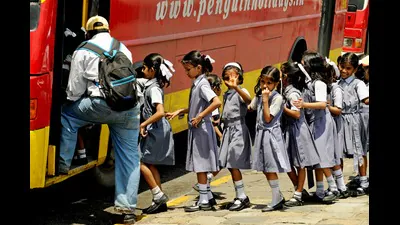
The recent concerns surrounding sleeper buses operating with fully drawn curtains expose a larger weakness in our public safety system. The issue is not simply whether curtains are permitted or whether a vehicle possesses a valid permit. The real question is: Can enforcement agencies detect a potentially unsafe situation before it becomes a crime? And this concern extends well beyond sleeper buses. Private buses, school vans, school buses and other contracted passenger vehicles carry some of society’s most vulnerable citizens, particularly children and women. There have been cases where girls travelling in school transport have been victimised, with the driver or other accused persons being identified only after the incident. This raises an uncomfortable question: Why are dangerous vehicles or unsafe practices sometimes detected only after somebody has already been harmed? Preventive policing must begin with this question. For school transport, scrutiny must include the vehicle, driver, attendant, route, CCTV where applicable, emergency mechanisms and complaint history. A clean document file cannot be treated as proof of safe operation. Traffic control rooms should be better integrated with police control rooms, enabling real-time sharing of CCTV feeds and violations, vehicle registration details, permit and fitness status, previous traffic violations, complaints and citizen alerts, suspicious vehicle movements and information about repeat offenders. Police control-room vehicles should not merely respond to calls after an incident. They can become mobile interception units. If cameras or control-room intelligence identify a suspicious or repeatedly violating vehicle, the nearest police control-room van should be able to receive the alert and intercept the vehicle at the earliest safe opportunity. This would transform CCTV from a recording mechanism into a preventive policing tool. There is another question that deserves attention: If an ordinary commuter can notice a bus operating in a visibly suspicious manner, why cannot the enforcement system detect it? Citizens should have a simple mechanism to report unsafe passenger transport. A photograph, vehicle number, location and brief description could generate an alert for the control room. The larger lesson is that safety cannot be measured by the number of challans issued or cases registered after an incident. Success should be measured by how many dangerous situations were identified and stopped before somebody became a victim.
Driver verification, background checks, employment history, licence status, vehicle fitness, emergency contacts and complaint mechanisms should be continuously updated—not merely checked when a vehicle is first engaged. Because children cannot always recognise or report danger effectively, school vans and buses require an even higher standard of vigilance.
