
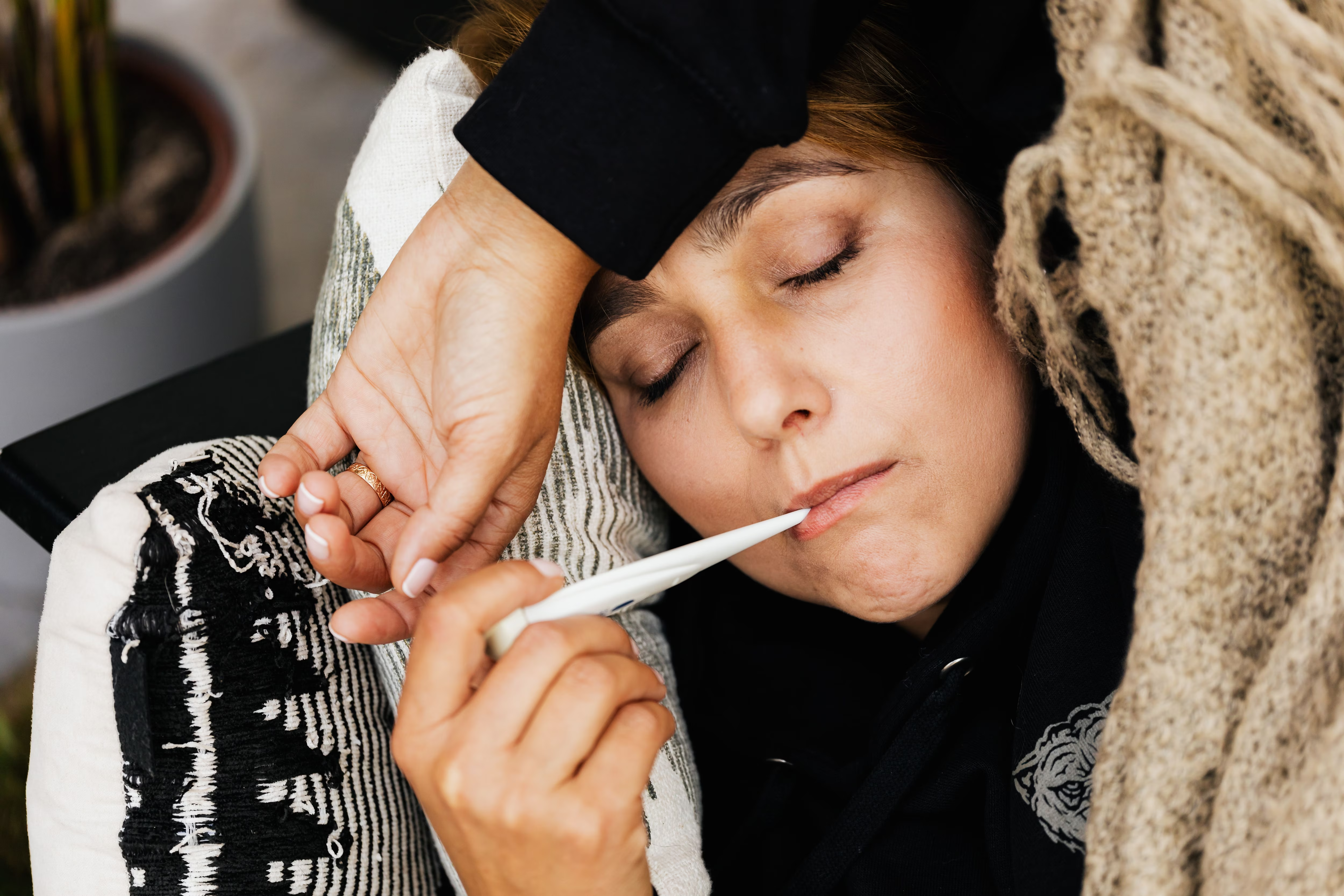
Lately, everyone seems to be falling sick, experiencing fever, cough, body aches, and fatigue. With similar symptoms appearing all around, it can be difficult to tell whether you have regular seasonal flu or H1N1. knowing how H1N1 may progress and recognising its warning signs is important Although the two illnesses have several overlapping signs.
Dr Chirag Tandon, director of internal medicine at ShardaCare-Healthcity, explained how to differentiate between H1N1 and ordinary flu. Their initial symptoms may appear similar; the way the illness progresses can differ. “With ordinary flu, patients generally recover within a few days with adequate rest and fluids. The main concern is that people may mistake the initial flu symptoms of H1N1 for regular flu, rely on home remedies, and wait for them to subside. If the symptoms continue to worsen, the situation can become serious.”
Dr Tandon named infants, older adults, pregnant women, and people with diabetes, asthma, heart disease, or a weakened immune system. They need to be extremely cautious, as they fall in high-risk groups, and depending entirely on home care may not be enough. These signs indicate that as the illness worsens, it may no longer be manageable with home care alone.
They should consult a doctor early before the symptoms become severe, as their condition may deteriorate more quickly.
